How AI is Transforming Recruitment and Onboarding in 2026?


Recruitment in 2026 looks nothing like it did even three years ago. Hiring teams are moving faster, candidates expect more personalization, and the pressure to fill roles with the right talent (not just available talent) has increased across industries. In the Gulf region especially, organizations are scaling quickly, hiring internationally, and balancing a mix of nationalization goals, diversity targets, and rapid digital transformation.

In the middle of all this change, AI recruitment is no longer a trend, it’s becoming the backbone of modern talent acquisition. From smarter resume screening to structured onboarding journeys, organizations are using recruitment technology to reduce manual effort, improve fairness, and make better hiring decisions.

But AI isn’t replacing HR. It’s reshaping HR’s role and shifting teams away from repetitive tasks and towards strategy, experience, and people-first decision-making.

Let’s explore how AI in recruitment and onboarding is transforming hiring in 2026, with a focus on three key areas: AI-powered screening, bias reduction, and smarter talent matching.

AI-Powered Screening: Faster Shortlists Without the Chaos

One of the biggest pain points in hiring has always been volume. A single job posting can attract hundreds (sometimes thousands) of applicants, many of whom are unqualified, while a few high-potential candidates get buried in the pile.

In 2026, hiring automation has matured enough to solve this challenge with far more accuracy than earlier systems.

How AI screening works today

Modern AI-powered resume screening tools don’t just scan for keywords like older systems. Instead, they can evaluate:

      • Role-specific skills and experience patterns
      • Career progression and stability indicators
      • Certifications and domain expertise
      • Relevance of achievements (not just job titles)
      • Similarity to successful past hires (with guardrails)

With AI integrated into applicant tracking systems, HR teams can now automatically categorize candidates into groups such as:

      • Strong match (priority review)
      • Potential match (needs recruiter evaluation)
      • Not suitable (polite rejection workflow)

This reduces time-to-screen dramatically and allows recruiters to focus on what actually needs human judgment: culture fit, motivation, communication style, and long-term potential.

What changes for recruiters

Instead of spending hours sorting resumes, recruiters in 2026 are spending time on:

      • Candidate engagement and follow-ups
      • Structured interviews and evaluation
      • Stakeholder alignment and decision support
      • Improving candidate experience and onboarding readiness

AI doesn’t remove human decision-making , it removes the noise that slows it down.

Smarter Talent Matching: Hiring Beyond the Resume

Hiring based on job titles alone is risky. Two candidates can have the same “HR Executive” title, but completely different capabilities depending on industry, company structure, and responsibilities.

That’s why one of the most powerful shifts in artificial intelligence in talent acquisition is AI-based candidate matching.

In 2026, AI-driven tools match candidates to roles using deeper data points like:

      • Skill adjacency (transferable skills)
      • Similar role performance indicators
      • Work style preferences (fast-paced vs structured)
      • Industry-specific experience relevance
      • Team and manager compatibility signals

This means companies can identify great candidates who may have been missed earlier because they didn’t match the “perfect” checklist.

Why this matters in the GCC market

With high competition for skilled talent, organizations in the UAE and wider GCC can’t afford to lose strong candidates due to rigid filters. Smart hiring tools for HR teams help businesses expand their talent pools without lowering standards. Instead of asking: “Does this person have the exact same job title?”, recruiters are now asking: “Does this person have the right capabilities to succeed here?” That’s a major evolution in talent acquisition strategy.

Reducing Hiring Bias Using AI (The Right Way)

One of the most sensitive and important conversations in hiring today is fairness. Human decision-making can be influenced by unconscious bias, even when the hiring team has the best intentions.

In 2026, organizations are increasingly investing in reducing hiring bias using AI, but the key is implementation.

How AI can reduce bias

When designed properly, AI can help HR teams reduce bias by:

      • Removing identifiers from resumes (name, gender clues, nationality cues)
      • Using structured scoring frameworks
      • Highlighting skill-based suitability instead of background-based assumptions
      • Standardizing interview evaluation criteria
      • Tracking hiring patterns and flagging inconsistencies

AI can also support diverse shortlisting by focusing on skill match rather than “familiar profiles.”

The truth: AI can also create bias

Here’s the reality HR leaders must understand in 2026: AI is only as fair as the data it learns from.

If a company historically hired from a narrow pool, an AI model trained on that data may unintentionally reinforce those patterns. That’s why bias reduction requires:

      • Human oversight
      • Regular auditing of outcomes
      • Transparent evaluation logic
      • Diverse training data
      • Clear ethical guidelines

The best organizations treat HR AI as a support system, not an unquestioned authority.

Applicant Tracking Systems Are Becoming Talent Intelligence Platforms

In the past, an ATS was simply a storage place for resumes. In 2026, applicant tracking is becoming much more advanced, almost like a “talent intelligence hub.”

Today’s systems help HR teams:

      • Identify bottlenecks in hiring stages
      • Predict offer acceptance likelihood
      • Track candidate engagement levels
      • Automate communication workflows
      • Compare hiring performance across departments

This is why recruitment technology is now deeply connected to workforce planning and business forecasting.

Recruitment is becoming more data-driven

Instead of relying on gut feeling, hiring teams can now answer questions like:

      • Which job boards produce the best hires?
      • Which interviewers are most consistent in evaluations?
      • Which stage causes the most candidate drop-off?
      • Which roles take the longest to fill and why?

This shift is pushing HR into a more strategic role, especially for companies scaling rapidly.

Automated Onboarding Solutions: From Paperwork to Productivity

Hiring doesn’t end when the candidate signs the offer letter. In fact, the real challenge begins on Day 1.

In 2026, organizations are increasingly adopting automated onboarding solutions to ensure every new hire feels supported, clear, and confident.

What AI-driven onboarding looks like

Modern onboarding systems can automatically:

      • Send welcome emails and document checklists
      • Schedule orientation sessions
      • Assign training modules based on role
      • Create 30-60-90 day plans
      • Set up system access requests
      • Trigger manager reminders and check-ins

AI can even personalize onboarding journeys depending on the employee’s department, seniority level, or location.

Why onboarding automation matters

A strong onboarding experience improves:

      • Time-to-productivity
      • Employee confidence
      • Retention in the first 90 days
      • Engagement and commitment
      • Employer branding

When onboarding is messy, new hires feel lost and even top talent can disengage quickly.

What HR Leaders Must Do to Succeed With AI in 2026

The future of recruitment technology 2025 discussions were mostly about adoption. In 2026, the conversation has shifted to maturity: how well are you using AI, and are you using it responsibly?

To maximize results from AI in recruitment and onboarding, HR teams should focus on the following:

Start with clear hiring goals

AI tools should support outcomes like:

      • Faster hiring
      • Better quality hires
      • Reduced bias
      • Improved candidate experience
      • Higher retention
      • Without a clear goal, automation becomes noise.

Train recruiters and hiring managers

Even the best resume screening tool won’t help if hiring managers don’t trust the process or misuse it. HR teams should provide training on:

      • AI-generated candidate insights
      • Structured interviewing
      • Fair evaluation practices
      • Compliance and ethics

Keep the human touch

      • Candidates still want connection. AI should automate the repetitive tasks not remove empathy from the process.
      • A personalized message from a recruiter still matters.

Audit for fairness

If you want real progress in reducing hiring bias using AI, you need continuous monitoring:

      • Shortlist diversity
      • Offer-to-acceptance rates by group
      • Interview scoring patterns
      • Drop-off rates at each stage
      • This turns AI into a tool for accountability, not just efficiency.

Final Thoughts

In 2026, AI is not a “nice-to-have” in hiring. It’s becoming the new standard for organizations that want speed, fairness, and quality in recruitment.

From AI-powered screening and smarter AI-based candidate matching, to structured onboarding workflows, the shift is clear: HR teams are moving toward intelligent systems that support better decisions.

The organizations that will win in this new era won’t be the ones that automate everything. They’ll be the ones that combine recruitment technology with strong human judgment, ethical practices, and a truly candidate-centered approach.

Because at the end of the day, AI can help you hire faster but people are still the reason companies succeed.

How can métier help you?

Whether you’re scaling fast or hiring for critical roles, métier helps you build a smarter, fairer, and faster recruitment process.

From AI-powered screening and structured talent matching to bias-aware hiring frameworks and seamless onboarding solutions, we support your HR team with the right strategy and tools.

Click here to explore our Talent Acquisition Solutions today.

Or connect with our consultants at hr@metierme.net

Ethical AI in HR: Balancing Automation with Fairness

AI is no longer a “future trend” in HR, it’s already influencing how organizations shortlist candidates, assess talent, predict turnover, and even design onboarding journeys. In 2026, companies across the UAE and the wider GCC are accelerating digital transformation, and HR is expected to keep up with the same speed as operations, finance, and customer experience.

This shift has made automation a powerful advantage. Hiring teams can screen faster, communicate quicker, and make data-backed decisions. But at the same time, it has introduced a new responsibility that HR leaders can’t afford to ignore:

When AI influences people decisions, fairness and transparency become non-negotiable.

That’s why Ethical AI is now one of the most important conversations in modern HR. It’s not about rejecting innovation or slowing down progress. It’s about ensuring that technology supports people, without quietly reinforcing bias, creating confusion, or damaging trust.

In this article, we explore what ethical AI means in HR, why it matters in 2026, and how organizations can balance automation with fairness through AI governance, bias mitigation, and a commitment to Responsible AI.

Why Ethical AI Is Now a Core HR Priority

For years, HR teams have been measured on speed and efficiency, time-to-hire, cost-per-hire, onboarding completion rates, and retention. AI tools promise improvement in all these areas. However, the more AI is embedded into HR workflows, the more it shapes outcomes that impact real lives.

Ethical AI matters because HR decisions influence:

      • Who gets an interview opportunity
      • Who receives a job offer
      • Who is promoted or rewarded
      • Who is flagged as “high risk” or “low potential”
      • Who gets access to learning and growth

In 2026, employees and candidates don’t just care about the outcome, they care about the process. People want to know their effort was evaluated fairly, not filtered out by a system they don’t understand.

This is where transparency becomes a business advantage, not just an ethical expectation.

Where AI Shows Up in HR (Even When It’s Not Called AI)

Many organizations think they haven’t adopted AI yet. In reality, AI often exists inside everyday HR tools as smart features. It may not be branded as AI, but it still influences decisions.

Common HR areas where AI is used include:

      • Resume ranking and automated shortlisting
      • Candidate matching and job recommendations
      • Chatbots answering candidate queries
      • Automated interview scheduling
      • Video interview analysis and scoring
      • Predictive attrition and engagement analytics
      • Onboarding workflows and learning recommendations

This is why Compliance and AI in HR technology is becoming more important, because AI isn’t a separate system anymore. It’s embedded in how HR operates.

The Real Risk: AI Bias in Hiring Decisions

One of the biggest concerns in modern recruitment is AI bias in hiring decisions. AI systems are trained on data. If the historical data reflects biased hiring patterns, the AI may learn to repeat those patterns, even if the organization’s values have changed.

Bias can appear in subtle ways. For example, AI may favor:

      • Certain universities or career paths
      • Candidates with continuous employment (penalizing career gaps)
      • Specific industries that historically produced top performers
      • Profiles that resemble previous hires too closely

The challenge is that AI bias often looks neutral on the surface. The system might not explicitly reject someone because of gender, nationality, or age, but it may still use proxy signals that correlate with those attributes. That’s why managing algorithmic bias in recruitment requires ongoing monitoring, not one-time setup.

Fair Hiring in the Age of Automation

In 2026, fair hiring isn’t just about having inclusive policies. It’s about designing systems that consistently support fairness at scale, even when hiring volumes are high and teams are under pressure.

Organizations aiming for fair hiring through automation should focus on:

      • Skills-based evaluation instead of perfect background filtering
      • Structured and consistent assessment criteria
      • Clear documentation of decision reasons
      • Human oversight at key decision points

AI can support fair hiring, but only when it’s guided by the right principles and governance.

What Fair and Transparent AI Recruitment Looks Like in 2026

A strong ethical approach to recruitment is not anti-technology. In fact, ethical AI often improves hiring quality because it forces clarity, structure, and accountability.

Fair and transparent AI recruitment in 2026 includes three major pillars:

Explainable decision-making

HR teams should be able to explain:

      • Why a candidate was shortlisted
      • What criteria influenced ranking
      • What role-related skills were prioritized

This doesn’t mean exposing complex technical details. It means being able to justify hiring decisions in human terms.

Consistency in evaluation

Ethical recruitment systems reduce randomness and bias by ensuring:

      • All candidates are assessed using the same role criteria
      • Interview scorecards are structured
      • Hiring managers follow the same evaluation standards

Consistency strengthens both fairness and quality.

Human accountability

AI should recommend and support and humans should decide. Ethical hiring ensures that recruiters and hiring managers remain responsible for outcomes, rather than blaming the system. This is the difference between using AI as a tool and surrendering decision-making to it.

Bias Mitigation: How HR Teams Reduce Risk in Practice

Bias mitigation is not a one-time checkbox. It is an ongoing system of controls that protects fairness across hiring stages.

Here are practical bias mitigation steps organizations are using in 2026:

Remove unnecessary personal identifiers

When possible, HR teams can reduce bias by limiting exposure to:

      • Photos
      • Names (where feasible in early screening)
      • Personal details unrelated to job requirements

This encourages focus on capability rather than assumptions.

Use job-relevant criteria

AI systems perform better when trained and configured around:

      • Skills and certifications
      • Role-specific experience
      • Work samples or assessments
      • Measurable achievements

This strengthens fairness and improves hiring outcomes.

Monitor outcomes continuously

Bias is often discovered in patterns, not individual cases. HR should track:

      • Shortlisting rates across groups
      • Interview pass rates by department
      • Offer acceptance trends
      • Drop-off points in the candidate journey

When patterns show imbalance, HR must investigate whether the cause is AI logic, process design, or human decision-making.

Build feedback loops

Ethical systems improve over time when HR collects feedback from:

      • Recruiters and hiring managers
      • Candidates (experience surveys)
      • Compliance teams and auditors

This turns AI into a continuously improving support system, not a black box.

HR Compliance and Ethical AI: What Organizations Must Consider

As AI becomes more common in HR, HR compliance expands beyond traditional areas like contracts and payroll. It now includes data usage, fairness, and accountability.

Key compliance-focused questions HR should ask include:

      • Do we have consent and clarity on candidate data use?
      • Can we explain how AI influences hiring decisions?
      • Are we keeping records of decisions and evaluation criteria?
      • Do we have an appeal or review process for disputed outcomes?
      • Are vendors meeting ethical and compliance standards?

This is where ethical challenges of AI in HR become real operational issues not just ethical debates. The goal is not to slow down innovation. The goal is to build trust and reduce risk while still benefiting from automation.

Responsible AI in HR: What Good Practice Looks Like Day-to-Day

Ethical principles only matter if they show up in daily operations. In 2026, responsible AI is defined by the habits and processes HR teams follow consistently.

Strong Responsible AI practices in human resources include:

      • Clear internal policies on where AI is used (screening, ranking, matching, onboarding)
      • Recruiter training on how to interpret AI recommendations responsibly
      • Hiring manager guidance to avoid blindly trusting AI scores
      • Regular audits for bias patterns and fairness outcomes
      • Candidate-friendly transparency statements about automation use
      • Vendor accountability checks before adopting new tools

Final Thoughts

AI is transforming HR faster than most organizations expected. It can speed up recruitment, improve matching, and reduce administrative burden. But the real success of AI in HR won’t be measured by how automated the process becomes. It will be measured by how fair, explainable, and trustworthy it remains.

In 2026, companies that lead with ethical AI will stand out not only because they hire faster, but because they hire better. They will create systems where automation supports people, bias is actively managed, and fairness is treated as a measurable outcome.

How can métier help you?

At métier, we help organizations adopt responsible AI in a way that strengthens performance and protects fairness.

Whether you’re already using recruitment automation or planning to implement AI-driven tools, our approach ensures you don’t sacrifice trust for speed.

Click here to explore our Digital HR Solutions.

Or connect with our consultants at hr@metierme.net

AI Chatbots in HR Improving Responsiveness and Reducing Workload

HR teams today are expected to deliver fast support, consistent communication, and a smooth employee experience even as organizations grow, policies evolve, and workforces become more distributed. In the UAE and across the GCC, many companies operate across multiple sites, time zones, and employee groups, which makes HR service delivery even more complex.

Yet employees still expect quick answers to simple questions:

      • How many leave days do I have left?
      • Where can I download my salary slip?
      • How do I apply for maternity leave?
      • What’s the policy for remote work?
      • When will my visa renewal be processed?

These questions are completely normal but when HR teams answer them manually all day, it creates a hidden cost: less time for strategic work, delayed responses, and an overloaded HR function. This is where HR chatbots are changing the game.


In 2026, AI-powered chatbots are becoming the front desk of HR offering instant support, guiding employees to the right resources, and helping HR teams reduce repetitive workload. With Conversational AI, companies can provide 24/7 responses to common HR queries without compromising professionalism or employee trust.

This article explores how chatbots are improving responsiveness, enabling employee self-service, and supporting HR teams through smart HR automation.

Why HR Responsiveness Has Become a Business Priority

In the past, HR responsiveness was seen as a service quality issue. In 2026, it’s directly tied to employee engagement, productivity, and retention.

When employees don’t get timely HR support, it creates:

      • Frustration and low trust in internal systems
      • Delays in approvals and employee processes
      • Confusion about policies and compliance steps
      • Increased dependency on managers for basic answers
      • More follow-ups and repeated emails

Fast HR support isn’t just convenient , it shapes how employees feel about the organization. That’s why AI support through chatbots is becoming a practical solution for modern HR operations.

What HR Chatbots Actually Do (Beyond Answering FAQs)

Many people assume HR chatbots only handle basic questions. But today’s chatbots are much more capable especially when integrated into HR systems.

Modern HR chatbots can support employees across multiple areas such as:

      • Leave policies and leave balance guidance
      • Payroll-related queries (salary slip access, pay dates)
      • Attendance and shift information
      • Policy navigation (remote work, dress code, conduct)
      • Benefits support (insurance coverage, claims guidance)
      • Onboarding assistance (documents, checklists, timelines)
      • IT and HR ticket routing (directing issues to the right team)

In many organizations, the chatbot becomes a Virtual HR assistant helping employees find answers without waiting for HR office hours. This is one of the biggest shifts in chatbots in human resource management: the move from static help pages to interactive support.

Conversational AI: Why It Feels More Human in 2026

Earlier chatbots felt robotic. Employees had to type exact keywords, and responses were limited. In 2026, conversational AI has improved significantly. It can understand intent, interpret variations in language, and guide employees in a natural way.

Instead of employees searching through documents, they can simply ask:

      • Can I take emergency leave?
      • What documents are required for my dependent visa?
      • How do I apply for annual leave?

The chatbot can respond with clear steps, links, and policy summaries. This makes HR support feel easier and more accessible especially for large organizations where employees may not know who to contact.

AI Chatbots for HR Support: The Value of 24/7 Availability

One of the strongest benefits of AI chatbots for HR support is availability. HR teams work fixed hours, employees don’t.

In the GCC, many workplaces include:

      • Shift-based roles
      • Field teams and site-based employees
      • Remote or hybrid staff
      • Cross-border teams and global stakeholders

A chatbot provides support even outside office hours, which makes 24/7 HR chatbot solutions highly valuable.

Employees can get instant answers at any time for common needs like:

      • Leave eligibility and balance checks
      • Policy guidance
      • Onboarding steps
      • HR document downloads
      • FAQs about benefits and payroll

This reduces waiting time, improves employee confidence, and keeps HR operations running smoothly.

Employee Self-Service: A Better Experience with Less Effort

A strong employee experience is built on clarity and independence. Employees want to complete tasks quickly without unnecessary delays. That’s why employee self-service is one of the biggest drivers behind chatbot adoption.

Chatbots support AI-powered employee self-service by helping employees:

      • Find the correct forms and policies
      • Understand the steps for requests
      • Submit tickets or route issues properly
      • Access links to HR portals and systems
      • Receive reminders about pending actions

Instead of sending emails back and forth, employees can solve many issues instantly which improves satisfaction and reduces HR workload.

Automating HR Queries Using Chatbots: What Should Be Automated First?

Not everything should be automated. The best chatbot strategy starts with high-volume, low-risk queries.

Here are the best areas for automating HR queries using chatbots:

Leave and attendance FAQs

      • Leave balance guidance
      • Leave policy explanations
      • Holiday calendar details
      • Sick leave procedures

Payroll and documentation support

      • Salary slip access
      • Pay date confirmation
      • Basic payroll process FAQs
      • Employment letter requests

Onboarding and new joiner questions

      • Required documents checklist
      • Orientation schedule
      • Probation policy guidance
      • System access timelines

HR policy navigation

      • Remote work policy
      • Code of conduct
      • Working hours and overtime policy
      • Grievance reporting steps

Benefits and insurance guidance

      • Insurance coverage overview
      • Claim submission steps
      • Eligibility criteria
      • Provider contact information

These are the areas where chatbots can deliver immediate impact without creating high risk.

Reducing HR Workload With Chatbots: What Changes for HR Teams

When chatbots are introduced correctly, HR teams don’t become less important they become more strategic. Reducing HR workload with chatbots happens because chatbots absorb repetitive tasks like:

      • Answering FAQs repeatedly
      • Redirecting employees to the right links
      • Providing step-by-step instructions
      • Handling basic policy queries
      • Logging and routing tickets

This creates space for HR professionals to focus on higher-value work such as:

      • Employee relations and conflict resolution
      • Leadership coaching and manager support
      • Workforce planning and HR strategy
      • Talent development programs
      • Engagement and retention initiatives

Virtual HR Assistants for Employees: Building Trust and Adoption

A chatbot is only successful if employees actually use it. Adoption depends on trust, clarity, and usability. To make virtual HR assistants for employees effective, organizations should focus on:

      • Simple language instead of technical HR terms
      • Accurate and updated policy information
      • Clear boundaries (what the chatbot can and cannot handle)
      • Smooth handoff to HR when needed
      • Multi-language support where required
      • Mobile-friendly access for frontline workforces

When employees trust the chatbot’s responses, they rely less on HR email support and more on self-service, improving responsiveness across the organization.

Conversational AI in HR Operations: Integration Makes the Difference

A chatbot becomes far more valuable when it is connected to HR systems. Without integration, it becomes a FAQ bot. With integration, it becomes a real operational tool.

Strong conversational AI in HR operations is supported through integration with:

      • HRIS and employee portals
      • Leave management systems
      • Payroll systems (for basic access guidance)
      • Ticketing and helpdesk platforms
      • Learning platforms for training recommendations
      • Policy libraries and internal knowledge bases

Common Mistakes Organizations Make With HR Chatbots

Chatbots are powerful, but only when implemented thoughtfully. Many organizations fail to see results because of avoidable mistakes, such as:

      • Launching without updated HR policies and FAQs
      • Over-automating sensitive employee concerns
      • Not defining escalation paths to human HR support
      • Using a chatbot that feels robotic or confusing
      • Failing to train employees and managers on usage
      • Not tracking chatbot analytics and improvement areas

A chatbot should enhance HR service, not frustrate employees further. The best approach is to start small, measure usage, and continuously improve responses.

Final Thoughts

In 2026, employees expect HR support to be quick, clear, and accessible, just like any modern digital service. That’s why HR chatbots are becoming a practical solution for organizations that want to improve responsiveness while protecting HR capacity.

With conversational AI, companies can offer faster responses to common HR queries, improved employee self-service, reduced workload for HR teams, better consistency in policy communication, and 24/7 availability across locations and shifts.

The goal isn’t to remove the human side of HR. The goal is to remove repetitive tasks so HR professionals can focus on what matters most: people, performance, and culture.

How can métier help you?

At métier, we help organizations implement HR chatbot solutions that improve employee experience while keeping HR operations efficient, secure, and scalable.

Ready to improve HR responsiveness and reduce repetitive workload?
Let’s explore how AI-powered HR chatbots can transform your employee support experience.

Click here to explore our Digital HR Solutions today.

Or connect with our consultants at hr@metierme.net

HR Analytics: Using Data to Predict Turnover and Improve Retention

Employee turnover isn’t just an HR issue anymore, it’s a business risk. In 2026, organizations across the UAE and the wider GCC are navigating fast-changing market conditions, rising skill shortages, and increasing expectations from employees who want growth, flexibility, and meaningful work.

And while exit interviews can explain why people left, they don’t always help you understand why people are about to leave.


That’s why HR analytics is becoming one of the most valuable tools for modern HR teams. When used correctly, data can help organizations spot patterns early, understand what drives disengagement, and take action before resignations hit critical roles.

Today’s HR leaders are no longer asking, “How many people resigned this quarter?”
They’re asking, “Who is most likely to resign next and what can we do about it now?”

This is where predictive analytics and people analytics come in, turning workforce data into actionable insights that improve employee retention, strengthen leadership decisions, and reduce the hidden cost of attrition.

Why Retention Has Become a Data Problem

For years, companies viewed turnover as a people issue caused by factors like leadership style, workload, or salary competitiveness. Those factors still matter but the reality is more complex today.

Turnover often happens due to a combination of signals that build up over time, such as:

      • Lack of career progression
      • Low manager support
      • Inconsistent feedback
      • Burnout from workload imbalance
      • Poor team dynamics
      • Compensation gaps
      • Unclear role expectations

The challenge is that these signals rarely appear in one place. They are spread across systems and conversations. That’s why workforce analytics is now essential. It helps HR teams connect the dots and identify early risk indicators before the resignation email arrives.

From Reporting to Prediction: How HR Analytics Has Evolved

Traditional HR reporting tells you what happened. For example:

      • Attrition rate last quarter
      • Average tenure
      • Turnover by department
      • Exit interview reasons

This information is useful, but it’s reactive.

In 2026, organizations are moving toward predictive HR analytics for retention, which focuses on forecasting what is likely to happen next and enabling proactive action.

Instead of only tracking attrition, predictive models help answer questions like:

      • Which teams are at the highest risk of turnover?
      • Which employee segments are disengaging faster?
      • What is the likelihood of resignation in the next 3–6 months?
      • What retention actions are most effective for different groups?

This shift is turning HR into a strategic partner and not just a reporting function.

What Predictive Analytics Really Means in HR

Predictive analytics uses historical data and patterns to forecast future outcomes. In HR, it helps identify the likelihood of employee turnover based on a mix of indicators.

A predictive retention approach doesn’t rely on one data point. It looks at multiple factors together to understand risk.

Common data signals used in retention models include:

      • Tenure and time in role
      • Performance ratings trends
      • Promotion history and internal mobility
      • Compensation position vs market benchmarks
      • Absenteeism patterns
      • Engagement survey results
      • Learning activity and development progress
      • Manager changes or team restructuring
      • Overtime or workload indicators

Using Data to Reduce Employee Turnover: What HR Teams Should Track

One of the biggest mistakes organizations make is collecting lots of HR data without turning it into decisions. To truly succeed at using data to reduce employee turnover, HR teams should focus on metrics that connect to real retention outcomes.

Here are high-impact categories to track:

Engagement and sentiment indicators

      • Engagement survey scores over time
      • Pulse check trends
      • Feedback themes by department

Career and growth indicators

      • Time since last promotion
      • Training participation rates
      • Internal job applications
      • Career path clarity feedback

Workload and wellbeing indicators

      • Overtime hours or workload spikes
      • Absenteeism frequency
      • Burnout-related survey responses
      • Leave usage trends

Manager and team indicators

      • Manager changes in the last 6–12 months
      • Team attrition clustering (turnover hotspots)
      • Manager effectiveness scores
      • 1:1 meeting frequency and quality (where measurable)

Compensation and fairness indicators

      • Salary position vs internal peers
      • Pay growth vs performance
      • Reward and recognition frequency
      • Equity concerns raised in surveys

Tracking these areas consistently builds stronger talent insights and helps HR teams move from assumptions to evidence.

Predicting Employee Churn Using AI: What’s Changing in 2026

Predictive retention models used to be complex and limited to large enterprises. Today, AI-enabled tools are making retention forecasting more accessible.

Predicting employee churn using AI is becoming common through features built into HR systems such as:

      • HRIS platforms
      • Performance management systems
      • Employee engagement tools
      • Learning platforms
      • Workforce planning dashboards

AI can process large datasets faster than manual analysis and detect patterns humans might miss, such as:

      • Hidden attrition hotspots within specific teams
      • Patterns linked to manager transitions
      • Resignation risk after stalled promotions
      • Early warning signals after role changes

However, AI should support decision-making and not replace human judgment. The goal is not to label employees as flight risks. The goal is to identify where support is needed before talent loss happens.

Workforce Analytics for Decision Making: Building a Retention Strategy That Works

Retention should not be a collection of random HR programs. It should be a strategy linked to business outcomes. That’s why workforce analytics for decision making is so valuable, it helps HR leaders prioritize efforts where they will make the biggest difference.

Workforce analytics can help answer:

      • Which roles are most costly to replace?
      • Which skills are hardest to hire externally?
      • Which teams are most critical to business continuity?
      • Where is attrition likely to disrupt performance next quarter?

With this clarity, HR leaders can focus on:

      • Critical roles and succession planning
      • Targeted retention budgets
      • Internal mobility programs
      • Leadership development where it matters most

People Analytics Tools for HR Teams: What to Look For

With so many platforms in the market, HR leaders often struggle to choose the right toolset. The best people analytics tools for HR teams should support both insight and action.

Key features to look for:

      • Easy-to-understand dashboards for HR and leadership
      • Attrition risk indicators and segmentation
      • Drill-down views by department, role, and manager
      • Integration with HRIS and engagement tools
      • Data privacy and access control
      • Scenario planning (what-if analysis)
      • Action tracking and accountability

Common Mistakes HR Teams Make With Predictive Analytics

Predictive analytics can transform retention but only when used responsibly and strategically.

Common pitfalls include:

      • Treating predictions as facts instead of probabilities
      • Ignoring ethical concerns (privacy and fairness)
      • Over-collecting data without using it
      • Using analytics only after attrition rises
      • Blaming employees instead of fixing root causes
      • Failing to involve managers, who are critical to retention

When done correctly, people analytics creates healthier teams and stronger leadership decisions.

Final Thoughts

Employee retention is no longer something organizations can solve through generic engagement programs alone. In 2026, retention requires precision and understanding what drives attrition, identifying early warning signs, and acting before valuable talent walks out the door.

That’s why HR analytics and predictive analytics are becoming essential for modern HR teams. When organizations combine data with empathy, they don’t just reduce turnover, they build stronger cultures, better managers, and more resilient workforces.

The companies that win in the next few years won’t be the ones that react fastest to resignations. They’ll be the ones that predict risk early and improve the employee experience before it breaks.

How can métier help you?

At métier, we help organizations turn HR data into clear, retention-focused decisions without overwhelming HR teams with complex dashboards or confusing metrics.

Want to reduce turnover and strengthen retention with data-driven clarity?
Book a consultation with métier and let’s explore how predictive workforce insights can protect your talent and improve long-term performance.

Click here to explore our Digital HR Solutions today.

Or connect with our consultants at hr@metierme.net

How HR Tech Ecosystems Are Streamlining Employee Experience

The employee experience has become one of the strongest differentiators in today’s workplace. In 2026, employees expect the same ease, speed, and personalization at work that they experience in everyday digital life whether they’re applying for leave, accessing salary slips, requesting training, or onboarding into a new role.

But many organizations still operate with disconnected HR tools. One system for payroll, another for attendance, another for recruitment, and a completely separate platform for learning or performance management. The result is predictable:

    • Employees feel confused and frustrated
    • HR teams spend time chasing data
    • Managers struggle to get accurate insights
    • Processes slow down due to manual workarounds

This is exactly why HR leaders are investing in HR technology ecosystems, not just individual tools. Instead of building HR operations around separate systems, organizations are now building connected, cloud-enabled environments where everything works together.


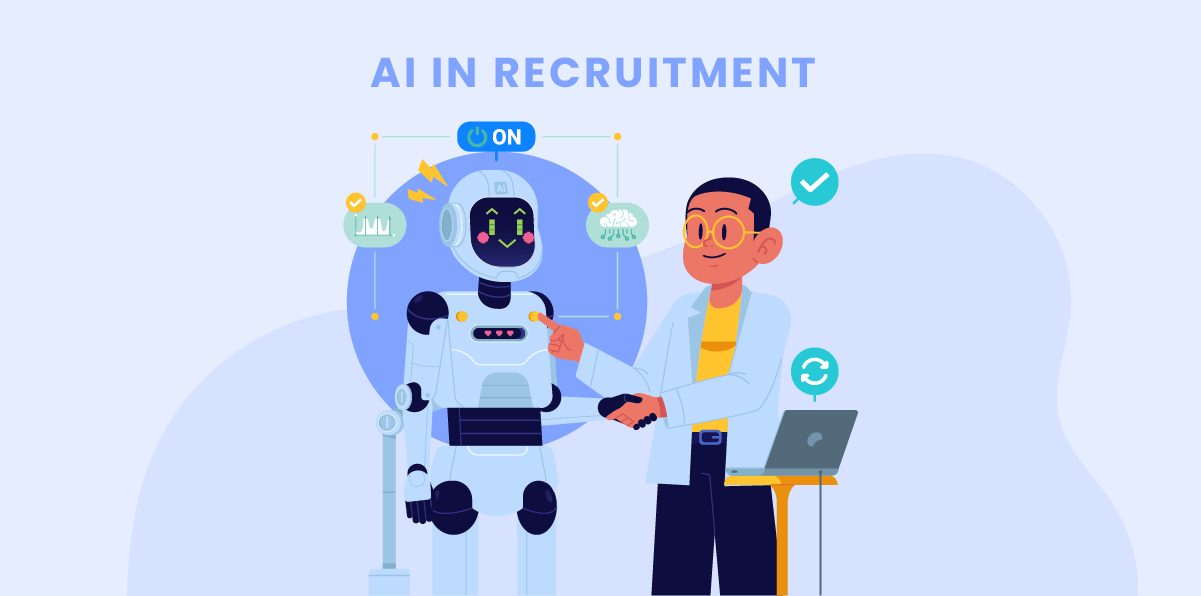
A strong HR tech ecosystem improves more than HR efficiency. It streamlines the entire employee experience, creating a workplace that feels organized, modern, and supportive.

This article explores how integrated HR ecosystems powered by Cloud HR, connected tools, and smart automation are transforming HR operations and enabling end-to-end employee journeys.

What Is an HR Tech Ecosystem

An HR tech ecosystem is not just a software purchase. It’s a connected digital environment where HR systems work together across the employee lifecycle. Instead of operating as isolated platforms, tools are integrated so data flows smoothly between functions such as:

    • Recruitment and onboarding
    • Payroll and attendance
    • Performance management
    • Learning and development
    • Employee engagement
    • Workforce analytics

This is the foundation of Digital HR a shift from HR as a service desk to HR as a seamless experience. In 2026, organizations are realizing that employee experience doesn’t improve just by adding more tools. It improves when tools are connected, consistent, and easy to use.

The Employee Experience Problem: Too Many Tools, Too Little Connection

Even well-funded organizations often face a common HR challenge: technology overload without integration.

When systems don’t connect, employees experience issues like:

    • Logging into multiple portals for simple requests
    • Repeating the same information in different systems
    • Confusion about where to submit requests or forms
    • Delays because HR needs to manually verify data
    • Poor visibility into policies, benefits, or learning paths

For HR teams, disconnected tools create operational stress:

    • Duplicate data entry
    • Inconsistent employee records
    • Manual reporting and spreadsheet dependency
    • Higher error risk in payroll or leave balances
    • Slow onboarding due to coordination gaps

This is why HR software integration solutions are becoming a priority. Integration is no longer a nice-to-have, it is the difference between a modern employee journey and a fragmented one.

Cloud-Based HRIS: The Core of Modern HR Platforms

At the center of most ecosystems is the HRIS, the system that stores core employee data and supports key HR processes.

In 2026, organizations are increasingly moving toward Cloud HR because cloud systems are:

    • Faster to deploy
    • Easier to update and scale
    • More accessible across locations
    • Better suited for remote and hybrid workforces
    • Designed to integrate with other tools

Cloud-based HRIS systems often act as the single source of truth, holding accurate employee data such as:

    • Personal and job information
    • Salary and benefits details
    • Leave balances and attendance records
    • Reporting structures and departments
    • Policy acknowledgements and documentation

When the HRIS is strong and cloud-enabled, the rest of the ecosystem becomes easier to build and maintain. This is especially important for organizations in the GCC managing multiple entities, business units, or diverse workforce segments.

Integrated HR Technology Platforms: The Shift from Tools to Journeys

A key change in 2026 is that companies are no longer buying HR tools for departments. They’re building journeys for employees. That’s where integrated HR technology platforms come in.

Instead of separate systems operating independently, integrated platforms connect processes across the employee lifecycle from hiring to exit creating a smooth experience for employees and better visibility for HR leaders.

HR Automation: The Real Value Is Consistency

One of the biggest advantages of modern ecosystems is HR automation, not just for speed, but for consistency and accuracy.

Automation supports repeatable workflows across HR functions, such as:

    • Automated document collection and verification
    • Workflow approvals for leave, claims, and requests
    • Notifications and reminders for deadlines
    • Trigger-based onboarding tasks
    • Auto-generated compliance reporting

When automation is built into HR platforms, it reduces errors and ensures employees receive consistent support regardless of department or location. It also reduces HR workload, freeing teams to focus on strategy, culture, and workforce planning.

HR Tech Ecosystem Benefits: Why Enterprises Are Prioritizing Integration

Many organizations invest in HR tools but don’t see real transformation. The difference is integration.

The biggest HR tech ecosystem benefits include:

Improved employee satisfaction

Employees experience less frustration and more clarity through:

    • Simple workflows
    • Faster approvals
    • Clear access to HR services
    • Better communication

Reduced HR operational workload

HR teams spend less time on:

    • Manual data entry
    • Spreadsheet reporting
    • Repeating answers to common questions
    • Fixing system inconsistencies

Better manager visibility

Managers gain access to:

    • Team attendance and performance insights
    • Training progress
    • Workforce planning dashboards
    • Real-time HR metrics

Stronger compliance and governance

Connected systems improve:

    • Data accuracy
    • Audit readiness
    • Documentation tracking
    • Policy acknowledgment records

Scalability for growth

Modern HR ecosystems support expansion into:

    • New locations
    • New business units
    • Larger headcount
    • More complex workforce models

End-to-End HR Digital Transformation: More Than Just Software

Many organizations think buying an HR system equals transformation. But true end-to-end HR digital transformation is not a one-time implementation, it’s a shift in how HR operates. It includes:

    • Redesigning HR processes for digital delivery
    • Standardizing workflows across departments
    • Building strong data governance practices
    • Training employees and managers on adoption
    • Ensuring tools are integrated, not isolated

Digital HR success depends on both technology and change management. Without adoption, even the best system becomes underused.

HR Software Integration Solutions: Common Challenges and How to Avoid Them

Integration brings huge benefits, but it also comes with challenges. Many organizations struggle with:

    • Legacy systems that don’t connect easily
    • Inconsistent data across platforms
    • Complex approval workflows
    • Poor user adoption due to unclear training
    • Lack of ownership between HR and IT

To overcome these, organizations should focus on:

    • Selecting tools that support API integrations
    • Standardizing employee data fields and structures
    • Designing user-friendly workflows
    • Training managers and employees early
    • Defining clear ownership for system governance

Final Thoughts

In 2026, employee experience is shaped less by policies and more by everyday moments, how quickly employees can access support, how easily they can complete tasks, and how clearly they can navigate their work journey. That’s why HR leaders are shifting toward ecosystems instead of isolated tools.

A connected HR environment built on cloud-based HRIS systems, integrated platforms, and smart automation helps organizations deliver faster service, better employee satisfaction, stronger compliance, more strategic HR operations. The organizations that succeed won’t be the ones with the most HR tools. They’ll be the ones with the most connected, consistent, and employee-friendly HR experience.

How can métier help you?

At métier, we help organizations build and optimize HR ecosystems that actually work, not just in theory, but in daily employee experience.

Ready to streamline HR operations and elevate your employee experience?

Let’s design an integrated HR tech ecosystem that supports your workforce and scales with your growth.

Click here to explore our Strategic HR Consulting solutions.

Or connect with our consultants at hr@metierme.net

Remote Work, Hybrid Models & Their Impact on Talent Acquisition in the Middle East

The workplace landscape in the Middle East is evolving at record speed. As businesses across the UAE, Saudi Arabia, Qatar, Bahrain, and Kuwait respond to changing workforce expectations, remote work UAE 2025 and hybrid workforce strategies have become central to talent discussions. Employers are increasingly incorporating hybrid work GCC frameworks to stay competitive, attract diverse talent, and streamline operations.

But what do these shifts mean for recruitment? How can organisations translate flexible practices into stronger hiring outcomes? And what are the emerging trends shaping the region’s future?

This article explores the rise of remote and hybrid work in the Middle East, the implications for talent acquisition, and how employers can adapt to reach and retain the best candidates.

The Shift Toward Remote and Hybrid Work Models

By remote work UAE 2025, experts predict that remote roles will no longer be exceptions, they will be strategic components of workforce planning. This shift has been driven by digital acceleration, improved cloud infrastructure, and employee demand for balance. Across the region, hybrid work GCC models are also expanding as organisations blend onsite presence with virtual operations to enhance productivity.

Key forces behind the change include:

  • Growing digital talent pools beyond national borders
  • Increased focus on well-being and work-life balance
  • Advancements in collaboration technologies
  • Cost-efficiencies linked to flexible work arrangements

Companies that embrace flexible jobs Dubai and hybrid setups are already seeing improved retention and broader access to skilled professionals who previously could not engage due to commuting or relocation constraints. In fact, these flexible jobs Dubai offerings appeal significantly to women, international applicants, and emerging gig-economy workers.

How Remote and Hybrid Work Affect Talent Acquisition

The transformation of the remote workforce Middle East brings both opportunities and challenges. While the talent pool expands, the competition for digitally skilled professionals intensifies. Recruiters now must rethink sourcing strategies to suit virtual environments.

Employers adopting hybrid hiring trends UAE are noticing major implications:

  1. Expanded Talent Pools

With remote-ready roles, organisations can hire from across the GCC or even globally. The remote workforce Middle East ecosystem enables companies to tap into diverse capabilities without geographical limitations.

  1. Stronger Employer Branding

Companies that openly promote work-from-home policies UAE attract modern candidates who prioritise autonomy. Clear communication of flexibility can significantly enhance employer reputation.

  1. Increased Competition for Digital Talent

The rise in remote talent attraction UAE highlights the growing demand for tech, content, and operations professionals who can function independently in virtual settings. Firms must adjust their value propositions accordingly.

  1. Evolving Recruitment Processes

Virtual interviews, digital assessments, and asynchronous screening methods are becoming standard. This aligns with hybrid hiring trends UAE, where a seamless remote-friendly recruitment flow is essential.

Building Effective Remote-First Talent Acquisition Strategies

To attract top candidates in a competitive landscape, companies need robust frameworks tailored to hybrid environments. Whether your organisation offers flexible jobs Dubai or full remote roles, your strategy should include:

  • Clearly defined expectations for remote and hybrid employees
  • Transparent work-from-home policies UAE that outline eligibility, tools, and processes
  • Digital onboarding plans that ensure smooth integration
  • Technology-enabled systems for collaboration and monitoring

Additionally, organisations focusing on remote talent attraction UAE need to articulate the advantages they offer, such as flexible hours, wellness benefits, or learning opportunities.

Navigating Hybrid Recruitment Challenges

Although remote and hybrid work models bring benefits, employers must acknowledge and address the hybrid recruitment challenges emerging across the region. These challenges often stem from cultural expectations, organisational structures, and technological readiness.

Common hybrid recruitment challenges include:

  • Assessing soft skills and cultural fit in remote environments
  • Ensuring equitable opportunities for hybrid and onsite staff
  • Maintaining productivity with a distributed workforce
  • Managing team cohesion when staff operate across different locations

Organisations that recognise these dynamics early can build strategies to mitigate risks. For example, investments in digital tools, manager training, and unified communication platforms can significantly reduce hybrid recruitment challenges.

Flexible Work and Employee Expectations in the GCC

Today’s job seekers value flexibility more than ever. The rise of employee flexibility GCC trends reflects a regional shift toward personal well-being, autonomy, and trust. Employers who align with these expectations position themselves as market leaders.

Why employee flexibility GCC matters:

  • It directly influences job acceptance rates
  • It boosts engagement and retention
  • It reduces burnout and turnover
  • It supports inclusion for parents, students, and cross-border workers

In fact, companies leveraging employee flexibility GCC practices have reported better long-term performance outcomes.

The Future: Remote Work UAE 2025 and Beyond

The Middle East’s workforce is heading toward a blended future where digital capability becomes the norm. Predictions for remote work UAE 2025 indicate an even more integrated ecosystem supported by AI, cybersecurity enhancements, and cloud technologies.

Employers must be prepared for:

  • Standardized hybrid policies across major industries
  • Growth in cross-border virtual hiring
  • Increased regulations around remote work arrangements
  • Demand for flexible coworking hubs
  • Emphasis on well-being and psychological safety

These patterns reinforce the importance of talent acquisition remote GCC strategies that are adaptive, tech-enabled, and responsive to evolving candidate needs.

Talent Acquisition in a Hybrid Region: What Employers Must Do

To stay competitive across the GCC, businesses must embrace a proactive approach to talent acquisition remote GCC. This includes:

  1. Strengthening Employer Value Propositions

Highlight flexibility, growth opportunities, and remote culture.

  1. Updating Job Descriptions

Modern candidates search for keywords such as “remote,” “hybrid,” and “flexible”, especially in flexible jobs Dubai listings.

  1. Leveraging Technology

AI-powered platforms can support sourcing, screening, and onboarding for talent acquisition remote GCC.

  1. Formalising Hybrid Work Policies

Clear and consistent work-from-home policies UAE reduce confusion and improve employee trust.

Final Thoughts

Remote and hybrid work models are reshaping talent acquisition across the Middle East. From the rapid adoption of hybrid work GCC structures to the rising expectations for autonomy and balance, workplace norms are evolving quickly. Organisations that embrace flexibility, through remote workforce Middle East strategies, strong work-from-home policies UAE, and solutions for hybrid recruitment challenges, will attract better talent and stay competitive region-wide.

As we approach remote work UAE 2025, the companies that succeed will be those that understand changing workforce priorities and translate flexibility into strategic advantage. The future of hiring in the GCC is hybrid, inclusive, and digitally enabled, and the time to adapt is now.

How can métier help you?

Remote and flexible work is here to say.

Transform your Talent Acquisition strategy to accommodate the growing demand for this working model.

Our consultants can help you achieve just that.

Click here to explore our Strategic HR Consulting services

Or connect with our consultants at hr@metierme.net

Why Mental Health Should Be an HR Priority

In today’s fast-paced work environments, mental health has moved from being a private concern to a critical organizational issue. As workloads increase and personal-professional boundaries blur, the need to prioritize mental health in the workplace has never been clearer. HR leaders are now expected to be at the forefront of supporting employee wellness to drive performance, retention, and workplace culture.

From launching employee wellbeing programs to designing effective wellness initiatives for employees, it’s time for HR to place mental health where it belongs: at the top of the agenda.

The Rising Cost of Ignoring Mental Health

Ignoring mental health issues in the workplace can result in serious consequences, including absenteeism, burnout, decreased productivity, and higher turnover. Employees struggling with stress, anxiety, or depression may feel isolated or unsupported, which affects both individual and team performance.

HR departments must recognize that mental health challenges are often invisible, and stigmatization only makes it harder for employees to seek help. Offering meaningful workplace mental health support is now a business necessity that affects morale, safety, and long-term sustainability.

Companies that overlook mental health in the workplace may also struggle with employee engagement. When staff members don’t feel supported, they’re less likely to be productive, innovative, or loyal.

Build a Culture of Openness

The creation of a psychologically safe environment starts with culture. When employees feel they can speak openly about mental health without fear of judgment, they are more likely to seek the help they need. HR plays a vital role in shaping this narrative by leading with empathy and setting clear, inclusive policies.

Embedding mental health into the company’s core values helps signal that the organization takes employee well-being seriously. Encouraging conversations, training leaders to recognize warning signs, and sharing personal stories can go a long way in breaking down stigma around mental health in the workplace.

Managers, too, must model openness. When leadership shares their own struggles and how they cope, it encourages employees to do the same. This normalizes vulnerability and strengthens trust across the organization.

Design Effective Employee Wellbeing Programs

Comprehensive employee wellbeing programs prioritize emotional, psychological, and even financial well-being. These programs should be inclusive, accessible, and adaptable to diverse employee needs.

From counseling services and mental health days to financial planning and mindfulness training, there’s a wide range of offerings that can be part of a well-rounded program. HR must work closely with employees to assess their needs and tailor support accordingly.

These programs should evolve over time. As new challenges arise, HR must adjust employee wellbeing programs to remain relevant and effective.

Implement Wellness Initiatives That Work

Many companies launch wellness initiatives for employees, but not all of them succeed. The key is ensuring these initiatives are meaningful, consistent, and integrated into the daily workflow and not just one-off campaigns.

Effective initiatives focus on proactive care rather than reactive solutions. These could include workshops on stress reduction, regular mental health check-ins, and digital platforms for well-being tracking. The goal is to embed wellness into the workplace fabric, not treat it as an add-on.

HR teams should monitor participation rates and collect feedback to refine programs over time. The more these wellness initiatives for employees feel personalized and ongoing, the more impact they’ll have.

Provide Mental Health Support

Workplace mental health support isn’t just about having a policy, it’s about creating ongoing access to tools and resources.

HR should also encourage managers to regularly check in on employees’ emotional well-being and ensure that mental health conversations are normalized. Creating channels for anonymous feedback can also help employees express concerns safely and get the support they need.

Workplace mental health support must be accessible across all roles and levels and not just to corporate employees. Organizations that extend support to frontline staff and part-time workers foster a more inclusive culture of care.

HR’s Role in Stress Management

Stress management HR strategies are essential for reducing burnout and improving resilience. HR can facilitate stress management through workload assessments, realistic goal setting, and by encouraging regular breaks.

Leaders should also be trained to identify signs of stress and offer timely support. By integrating stress management HR into leadership development and team practices, HR ensures a more sustainable and supportive work environment for everyone.

Additionally, HR can introduce tools such as journaling prompts, breathwork sessions, and time-blocking techniques that help employees manage daily pressures more effectively. A proactive approach to stress management HR practices shows employees that their mental well-being is a shared priority.

How HR Can Take Action Today

Here are some practical ways HR can begin prioritizing mental health now:

  • Launch employee wellbeing programs that include mental health coverage and resources.
  • Encourage open dialogue by training managers on mental health sensitivity.
  • Integrate wellness initiatives for employees into everyday operations, not just once-a-year events.
  • Facilitate stress management HR practices like workload reviews and mindfulness sessions.
  • Offer accessible workplace mental health support, such as teletherapy options.
  • Create flexible policies that allow employees time for self-care and recovery.
  • Regularly gather feedback to improve mental health initiatives based on employee needs.

Final Thoughts

Mental health in the workplace isn’t a trend but a long-term commitment every HR team must champion. By embedding sustainable employee wellbeing programs, meaningful wellness initiatives for employees, and thoughtful stress management HR practices, organizations can provide consistent and effective workplace mental health support.

Investing in these efforts not only helps individuals thrive, it strengthens teams, boosts retention, and builds a healthier workplace for everyone.

How can métier help you?

Trying to prioritize mental health but not sure where to start?

Guide your organization toward a more mentally healthy, engaged, and resilient workforce.

Design employee mental health programs and inclusive wellness initiatives with métier.

Click here to explore our Strategic HR Consulting services

Or connect with our consultants at hr@metierme.net

The Pros and Cons of AI in Talent Acquisition

Recently, the HR landscape has witnessed a dramatic transformation, driven largely by the integration of AI in HR functions. Among its most impactful areas is talent acquisition, where artificial intelligence in recruitment has revolutionized how organizations source, screen, and onboard candidates. The rise of HR automation tools and systems like the automated onboarding system represent the ongoing shift towards a more tech-driven hiring process.

However, while the future of HR tech looks promising, it is also accompanied by a set of challenges that demand careful consideration.

Smarter Sourcing with Artificial Intelligence

One of the primary advantages of AI in HR is its ability to automate and optimize the candidate sourcing process. Traditional sourcing methods often rely on manual effort and subjective judgment, which can be time-consuming and inconsistent.

Now, HR automation tools powered by machine learning algorithms scan thousands of resumes and social media profiles in seconds, identifying candidates with the best fit for a role based on predefined criteria.

This ability not only shortens the hiring cycle but also widens the talent pool by removing geographic and accessibility constraints. AI can even analyze passive candidates who aren’t actively looking for jobs, offering organizations a competitive edge in acquiring top talent.

Efficient Candidate Screening

Another powerful application of artificial intelligence in recruitment is in screening applicants. AI-powered software can quickly parse resumes, identify skill gaps, and rank applicants according to job relevance. This process reduces bias and ensures a more objective evaluation of potential hires.

Moreover, AI-based video interview platforms now analyze voice tone, facial expressions, and body language to assess candidate suitability, offering another layer of insight beyond traditional methods.

Though still evolving, such systems promise a more comprehensive approach to evaluating both technical and soft skills.

The Rise of Automated Onboarding Systems

Once a candidate is selected, onboarding, can be equally crucial to employee retention. Companies are increasingly turning to the automated onboarding system to streamline this phase. These systems manage paperwork, assign tasks, provide training modules, and introduce new hires to the company culture, all without overwhelming HR teams.

By automating this process, organizations not only save time and resources but also create a more engaging and organized experience for the new hire. The combination of personalized learning and immediate access to necessary information makes the transition smoother and more effective.

Enrichment of Candidate Experience

AI is not only beneficial for employers, but it also improves the candidate journey. Chatbots and virtual assistants, part of modern HR automation tools, are available 24/7 to answer queries, schedule interviews, and provide application updates. This real-time communication reduces uncertainty and keeps candidates engaged throughout the process.

Furthermore, AI systems can tailor job recommendations based on individual profiles and preferences, ensuring that candidates find roles that match their career goals. This personalization fosters a sense of value and respect, increasing the likelihood of candidates accepting offers.

Integrating AI with Human Decision-Making

True hiring success comes from combining machine intelligence with human expertise. AI can handle data-heavy tasks like resume parsing or interview scheduling, but it lacks the emotional and contextual understanding needed to assess culture fit or long-term potential.

HR professionals still play a critical role in interpreting AI-generated insights and making nuanced decisions. By integrating HR automation tools with human judgment, companies can create a balanced approach that leverages the best of both worlds.

Ethical and Privacy Concerns

Despite the many benefits of artificial intelligence in recruitment, there are ethical considerations that cannot be ignored. The use of AI raises questions about data privacy, algorithmic bias, and transparency. AI models are only as good as the data they’re trained on, and if that data includes biases, the outcomes will reflect them.

Additionally, candidates may feel uncomfortable being evaluated by machines rather than humans, especially when decisions are made without full disclosure of the criteria used. Transparency, human oversight, and strict data protection measures must accompany AI deployment to mitigate these concerns.

The Future of HR Tech: Balancing Innovation and Human Touch

The future of HR tech lies in striking the right balance between automation and empathy. While AI in HR is making talent acquisition faster and more accurate, it should not completely replace human interaction. HR professionals bring emotional intelligence, contextual understanding, and cultural sensitivity—qualities that AI has yet to master.

Therefore, AI should be seen as a tool that enhances, rather than replaces, human judgment. When used wisely, it allows HR professionals to focus on strategic initiatives, employee engagement, and organizational development.

Key Advantages and Disadvantages of AI in Talent Acquisition

Pros:

  • Speed and Efficiency: AI accelerates sourcing, screening, and onboarding processes.
  • Cost Savings: Automation reduces the need for manual labor and administrative tasks.
  • Objective Decision-Making: AI minimizes human bias, promoting fairer hiring.
  • Scalability: HR departments can handle larger volumes of applicants effortlessly.
  • Improved Candidate Experience: Chatbots and personalized interactions keep applicants informed and engaged.

Cons:

  • Potential for Bias: AI trained on biased data can perpetuate discrimination.
  • Lack of Transparency: Candidates may not understand how decisions are made.
  • Over-reliance on Technology: Risk of undervaluing human intuition and relationship-building.
  • Data Privacy Concerns: Storing and processing applicant data poses legal and ethical challenges.
  • High Initial Costs: Implementing advanced HR automation tools may be expensive for smaller organizations.

Final Thoughts

AI is undeniably shaping the future of HR tech, bringing unprecedented transformation to how companies attract, evaluate, and onboard talent. From smart screening to the automated onboarding system, the integration of HR automation tools streamlines processes and enhances both employer and candidate experiences. However, the benefits of artificial intelligence in recruitment must be weighed against ethical, emotional, and strategic considerations. As organizations continue to embrace AI in HR, the most successful ones will be those that use technology not as a replacement, but as a partner to human insight.

How can métier help you?

Feeling unsure about AI integration in your hiring interventions?

From adopting HR automation tools to implementing an automated onboarding system, métier has you covered.

Click here to explore our Talent Acquisition Solutions.

Or connect with our consultants at hr@metierme.net

Remote Work Burnout; Here’s How HR Can Help

The shift to remote work has brought a wave of benefits such as flexibility, autonomy, and often increased productivity. But it has also introduced new challenges, with burnout emerging as one of the most pressing concerns. As organizations navigate the complexities of remote work culture, HR leaders are being called upon to create sustainable practices that prioritize employee well-being.

From refining hybrid workforce strategy to enhancing remote employee engagement, there are actionable steps HR teams can take to prevent burnout and promote balance.

With the integration of AI in HR and the rise of virtual team management, now is the time for HR to play a pivotal role in reshaping the future of work.

Recognize the Signs of Remote Work Burnout

Burnout isn’t just about exhaustion, it’s a state of emotional, mental, and often physical depletion caused by prolonged stress. In remote environments, where boundaries between work and home blur, recognizing burnout can be tricky. Employees may feel isolated, unmotivated, or overworked, often without realizing they’re experiencing burnout until it’s severe.

HR professionals must be proactive in identifying early signs through regular check-ins and performance monitoring tools. AI in HR is increasingly being used to detect shifts in employee behavior, helping managers intervene before burnout escalates.

Strengthen Remote Work Culture

A strong remote work culture is key to preventing burnout. Culture is more than virtual happy hours, it’s about fostering trust, inclusivity, and open communication across teams. Without a physical office, employees need to feel connected to the organization’s values and each other.

HR can lead initiatives that embed cultural values into daily remote operations. From setting expectations for work hours to encouraging time off, reinforcing a healthy culture protects employees’ mental health. Technology, including AI in HR, can help tailor communication and engagement strategies to different team needs.

Rethink Hybrid Workforce Strategy

A thoughtful hybrid workforce strategy becomes essential as many companies adopt a mix of remote and on-site work. Poorly planned hybrid models can increase stress by creating unequal experiences among remote and in-office staff.

HR must ensure policies and processes cater to both environments equally. This includes offering equal access to development opportunities, clear communication channels, and collaborative tools that support both physical and virtual spaces.

Leveraging AI in HR tools can assist in performance management, workload balancing, and personalized employee support, regardless of where the employee works.

Boost Remote Employee Engagement

Engaged employees are less likely to experience burnout, but keeping people engaged virtually requires intentional effort. Remote employee engagement goes beyond virtual meetings, it’s making employees feel heard, supported, and motivated.

HR can implement a variety of engagement strategies, including virtual recognition programs, skills development opportunities, and well-being initiatives. Smart use of AI in HR can personalize these efforts by identifying what types of engagement resonate most with individuals and teams.

Implement Flexible Work Policies

Rigid work schedules and unrealistic expectations are major contributors to burnout. Flexible work policies allow employees to manage their time in ways that fit their personal lives, reducing stress and boosting morale.

HR teams should design flexible policies that consider hours, workload, and communication norms. Integrating AI in HR systems can support this by helping monitor workloads and flagging imbalances. These policies not only benefit employees but also improve retention and job satisfaction.

Manage Virtual Teams with Empathy

Effective virtual team management is critical in remote settings. Managers who lead with empathy and clarity can prevent burnout by maintaining strong relationships and open lines of communication.

Training programs for virtual leadership, supported by HR, can equip managers with the tools to lead distributed teams effectively. Incorporating AI in HR tools, such as virtual coaching and performance dashboards, provides managers with real-time insights to better support their teams.

Leverage AI to Personalize Support

Personalization is key to preventing burnout and this is where AI in HR can make a meaningful impact. By analyzing data on workload, engagement, and communication patterns, AI tools can help HR teams understand what individual employees need to stay motivated and balanced.

These insights can guide everything from customized wellness programs to tailored career development paths. When used ethically and responsibly, AI becomes a valuable partner in delivering support that feels human, not robotic.

Create Boundaries in a Boundaryless Workplace

One of the biggest challenges of remote work culture is the erosion of boundaries between personal and professional life. When home becomes the office, employees may feel pressure to always be “on,” leading to exhaustion and eventual burnout.

HR can play a vital role in helping employees set and maintain healthy boundaries. This can be achieved through clear communication norms, realistic workload expectations, and leadership modeling balanced behavior.

Paired with flexible work policies and supportive virtual team management, these efforts help create a healthier rhythm to the workday that respects both productivity and personal time.

Actionable Ways HR Can Support Remote Employees

Here are practical steps HR can take to address burnout and enhance employee well-being:

  • Regularly survey employees to gather feedback on workload, engagement, and mental health.
  • Develop clear communication protocols to avoid overloading employees with emails and meetings.
  • Encourage flexible scheduling to help employees balance work and personal responsibilities.
  • Implement wellness initiatives such as mental health days, online therapy access, or fitness challenges.
  • Offer training for managers focused on empathetic leadership and virtual team management.
  • Use AI in HR systems to monitor employee satisfaction and engagement trends.
  • Recognize and reward employee efforts consistently to maintain motivation.

Final Thoughts

As remote work evolves, so do the risks of burnout. HR can lead the way by building a supportive remote work culture, refining hybrid workforce strategies, and boosting remote employee engagement. Setting clear boundaries, offering flexible work policies, and practicing empathetic virtual team management are key. Leveraging AI in HR to personalize support, organizations can create healthier, more balanced work environments where both people and performance thrive.

How can métier help you?

Facing burnout challenges in your remote work culture?

Let métier guide your HR transformation in developing an engaged remote workforce

Click here to explore our Strategic HR Consulting services

Or connect with our consultants at hr@metierme.net

Inclusive Hiring Practices That Work

Organizations that commit to diversity in hiring not only foster more innovative teams but also reflect the communities they serve. However, true inclusion goes beyond checking boxes. It involves intentional strategy, equitable systems, and inclusive mindsets.

Whether you’re an HR professional, recruiter, or team leader, embedding inclusion into hiring is a step toward a healthier, more effective workplace.

This article explores practical hiring practices that create equitable access to opportunities and support long-term inclusion.

Why Inclusive Hiring Matters

A successful DEI strategy HR doesn’t start with the job ad, it starts with the organization’s values and leadership. Before implementing inclusive hiring practices, HR teams should review company-wide diversity goals and identify gaps.

A few foundational steps include:

  • Conducting a DEI audit to assess current workforce diversity.
  • Setting measurable DEI objectives tied to hiring outcomes.
  • Reviewing compensation, promotion, and feedback practices for bias.
  • Offering training on inclusive leadership practices to hiring managers.

Without a well-grounded DEI strategy HR, even well-intentioned hiring efforts may fall flat or feel performative.

Practical Inclusive Hiring Practices

Here are actionable steps organizations can take to drive diversity in hiring and attract a broader range of candidates:

  • Use inclusive language in job descriptions: Avoid jargon, gender-coded terms, and unnecessary requirements that may deter capable candidates.
  • Diversify sourcing channels: Go beyond traditional platforms and partner with organizations that connect with underrepresented communities.
  • Blind resume reviews: Remove names, photos, and other identifiers during initial screening to minimize unconscious bias.
  • Structured interviews: Use standardized questions and scoring rubrics to evaluate all candidates fairly.
  • Inclusive interview panels: Include team members from diverse backgrounds to broaden perspectives in the decision-making process.
  • Accommodate different needs: Be flexible with interview formats, times, or locations to ensure accessibility for all candidates.
  • Track and analyze data: Regularly review hiring metrics for disparities and adjust practices accordingly.

Evaluating Hiring Practices Through a DEI Lens

A truly inclusive recruitment process requires ongoing evaluation and accountability. Organizations committed to diversity in hiring must examine every step of the hiring journey through a DEI strategy HR lens. This ensures bias is addressed, and that equity and inclusion are embedded.

Here are some actionable ways to evaluate your hiring through a DEI lens:

  • Review job descriptions for biased language or unnecessary requirements.
  • Analyze recruitment data to track representation across departments and roles.
  • Diversify sourcing channels to reach underrepresented talent pools.
  • Train hiring managers on inclusive leadership practices and unconscious bias.
  • Standardize interviews to ensure fairness and consistency.
  • Set benchmarks for equity in the workplace and adjust strategies based on results.

Foster Equity Beyond the Hire

Hiring someone from an underrepresented background is only meaningful if they feel supported after joining. That’s where equity in the workplace comes in. Equity means ensuring everyone has access to the resources, opportunities, and support they need to thrive.

To move from inclusive hiring to inclusive retention:

  • Pair new hires with diverse mentors or sponsors.
  • Create employee resource groups for underrepresented identities.
  • Ensure performance evaluations are free from bias.
  • Offer career development pathways that consider varied starting points.
  • Solicit and act on feedback from diverse employees about their experience.

Cultivate Inclusive Leadership

Hiring inclusion cannot thrive without leadership that actively supports it. That’s why inclusive leadership practices are essential. Leaders set the tone for how teams interact, grow, and make decisions.

Key behaviors of inclusive leaders include:

  • Listening to understand not just to respond.
  • Encouraging open dialogue around identity and bias.
  • Acknowledging and correcting their own blind spots.
  • Advocating for equitable pay, promotion, and development.
  • Creating safe spaces for team members to share challenges and ideas.

When leaders model inclusion, it ripples across the hiring process and throughout the organization.

Everyday Workplace Inclusion Tips

Beyond formal strategies, everyday actions can help foster a culture where inclusion becomes second nature. These workplace inclusion tips apply to teams at all levels:

  • Respect preferred names, pronouns, and communication styles.
  • Rotate who leads meetings or presents on behalf of the team.
  • Celebrate diverse holidays and observances.
  • Encourage feedback from all voices and not just the loudest ones.
  • Avoid assuming everyone has the same background or needs.

The Role of HR in Sustaining Inclusive Hiring

HR professionals are uniquely positioned to turn inclusive hiring into long-term impact. That means being more than policy enforcers—they must be change agents. This includes:

  • Advocating for inclusive language and bias training.
  • Partnering with business leaders to meet DEI hiring goals.
  • Continuously evaluating and iterating hiring processes.
  • Bridging the gap between DEI strategy HR and everyday practice.

When HR embeds inclusion across every stage of the employee journey, hiring becomes the foundation of a more just and dynamic workplace.

How HR Can Take Action Today

Here are some practical ways HR can begin prioritizing mental health now:

  • Launch employee wellbeing programs that include mental health coverage and resources.
  • Encourage open dialogue by training managers on mental health sensitivity.
  • Integrate wellness initiatives for employees into everyday operations, not just once-a-year events.
  • Facilitate stress management HR practices like workload reviews and mindfulness sessions.
  • Offer accessible workplace mental health support, such as teletherapy options.
  • Create flexible policies that allow employees time for self-care and recovery.
  • Regularly gather feedback to improve mental health initiatives based on employee needs.

Final Thoughts

Inclusive hiring isn’t about ticking boxes, it’s about building a workplace where everyone feels seen, valued, and empowered to grow. By weaving workplace inclusion tips into daily practice and aligning hiring with a broader DEI strategy HR, organizations can drive real change. Through intentional effort, continuous learning, and strong leadership, inclusion can become not just something we do but who we are.

How can métier help you?

Want to develop an inclusive hiring process?

From inclusive job design to coaching on inclusive leadership practices, métier provides the tools and insights you need to make workplace inclusion a second nature.

Click here to explore our Strategic HR Consulting.

Or connect with our consultants at hr@metierme.net