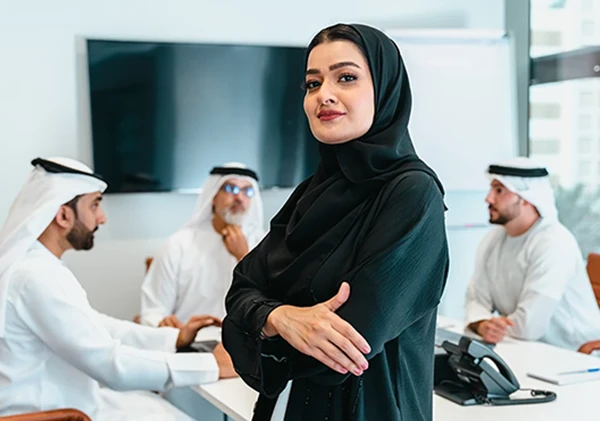
Role of HR in Career Pathing & Succession Planning

In an era marked by constant change, organizations can no longer afford to take a reactive approach to talent management. Strategic career pathing and succession planning are essential for long-term growth, resilience, and retention.

HR professionals today must align talent development with organizational goals through employee upskilling programs, robust learning & development strategies, and clear frameworks for internal mobility HR.

By taking a future-focused approach to capability building and career progression, HR can empower individuals and strengthen organizational readiness especially in the face of rapidly changing skill demands such as those predicted under future skills 2030 frameworks.

Why Career Pathing Matters More Than Ever

Career pathing refers to the structured mapping of potential growth and role advancement for employees within an organization. When done well, it provides clarity, motivation, and direction and encourages employees to stay longer and grow within the company.

In a time where talent is hard to attract and even harder to retain, career pathing boosts engagement by making future opportunities visible. This is particularly important in hybrid and remote settings where visibility of career progression might be limited without formal frameworks.

HR’s role is central in designing, communicating, and supporting these paths with the right HR-led training initiatives and mentorship opportunities.

Alignment of Career Goals with Organizational Needs

Effective career pathing should not only cater to employee aspirations but it must also be deeply aligned with business objectives. This balance ensures that as employees grow, they are also contributing to the organization’s strategic direction.

A well-integrated learning & development strategy bridges this gap. It identifies the current and future skill gaps and tailors employee upskilling programs to address them. These programs should be responsive, agile, and aligned with leadership development and succession priorities.

Building a Culture of Internal Mobility

When employees believe they can grow within an organization, they are less likely to look elsewhere. Internal mobility HR strategies foster a culture where talent is developed and promoted from within.

HR plays a critical role in facilitating this by:

  • Creating transparent job progression maps
  • Encouraging lateral movement for skill diversification
  • Building platforms that advertise internal opportunities
  • Using skill assessments to guide mobility decisions
  • Integrating career discussions into performance reviews

A culture of internal mobility, supported by strong HR-led training initiatives, reinforces a sense of loyalty and purpose, both essential for long-term engagement.

Succession Planning as a Strategic Imperative

Succession planning often conjures thoughts of preparing future CEOs, but it applies to all key positions that impact business continuity. HR must lead succession planning efforts proactively rather as a response to resignations or retirements.

Using insights from employee upskilling programs, performance reviews, and learning & development strategies, HR can identify potential successors early and prepare them with focused development plans. Embedding future skills 2030 into these plans ensures successors are not just ready for the present role, but also for the evolving demands of tomorrow.

Leverage Technology to Drive Career Development

The integration of digital tools is revolutionizing how HR manages career pathing and succession planning. AI-powered platforms can identify skill gaps, recommend personalized learning, and forecast talent needs while supporting real-time tracking of career growth.

With this data-driven approach, HR can:

  • Tailor employee upskilling programs based on job role trends
  • Align development plans with future skills 2030 priorities
  • Automate learning progress monitoring
  • Predict internal mobility opportunities
  • Support leaders with dashboards for talent readiness

This tech-powered shift strengthens the role of HR as a strategic partner in talent development and succession readiness.

HR-led Training Initiatives That Make a Difference

At the core of effective career planning is training. HR-led training initiatives should reflect organizational goals while being personalized for the learner.

Key elements of impactful initiatives include:

  • Cross-functional training to encourage internal mobility
  • Leadership development programs for succession readiness
  • Certification tracks tied to future business needs
  • Collaborative learning tools for peer-led knowledge sharing
  • Custom content aligned with future skills 2030

Through consistent and forward-looking training programs, HR ensures that employees are equipped to grow in their roles.

Practical Ways HR Can Elevate Career Growth Today

To get started or enhance existing efforts, here are actionable steps HR can take:

  • Design employee upskilling programs tied to both career pathing and future role requirements.
  • Build a company-wide learning & development strategy that aligns with strategic business goals.
  • Track skill trends using future skills 2030 insights to keep learning relevant and proactive.
  • Promote internal mobility HR with transparent systems and communication channels.
  • Invest in digital tools that support HR-led training initiatives at scale.
  • Include career conversations in performance reviews to align employee and business aspirations.
  • Monitor outcomes and continuously refine training and development strategies.

Final Thoughts

The future of talent development depends on how well organizations prepare today. HR’s role in career pathing and succession planning is a strategic necessity. With thoughtful learning & development strategies, targeted employee upskilling programs, and a strong focus on internal mobility HR, organizations can nurture high-potential talent from within. By embedding future skills 2030 into all planning and driving personalized HR-led training initiatives, HR ensures the workforce is ready for what lies ahead and that career growth is a shared success.

How can métier help you?

Puzzled about how to prepare future leaders internally? You’re not alone.

Identify high-potential talent and create structured development plans so that your workforce is ready for what’s next.

We work with HR teams to design effective career pathing and succession planning strategies tailored to your organization’s needs.

Click here to explore our Strategic HR Consulting services.

Or connect with our consultants at hr@metierme.net

People Analytics: Data-driven HR Decision Making

HR leaders in 2025 are no longer relying on assumptions or surface-level data. Instead, they’re turning to evidence-based strategies that help them understand their workforce better. Through smarter tools, deeper insights, and integrated systems, HR is moving closer to business strategy than ever before.
As people strategies grow more complex, organizations need to improve decision-making across the employee lifecycle.
This article explores how companies are unlocking deeper insights through smart analytics, with a focus on improving outcomes at every stage of the employee experience.

Understanding Workforce Data

Making decisions without evidence can lead to missed opportunities, unfair practices, and disengaged teams. That’s why many forward-thinking organizations now see people analytics as a cornerstone of effective HR. It helps decode patterns in employee behavior, performance, and satisfaction and turns those patterns into action.
  • A clearer view of what drives performance and engagement
  • Early detection of issues such as attrition or low morale
  • Links between HR actions and business outcomes
  • More tailored, targeted employee support

Improve the Employee Lifecycle Through Real-time Insight

Data is helping companies elevate every phase of the employee lifecycle. Rather than relying on outdated methods or gut feeling, HR teams now base decisions on trends and evidence pulled from smart systems.
Across recruitment, onboarding, training, and retention, data-driven HR practices give organizations a competitive edge. When HR teams understand what works and what doesn’t they can design smarter policies and deliver better experiences.
  • Spot successful candidates early and minimize bias
  • Monitor engagement and improve time to productivity
  • Identify learning needs and upskill the right people
  • Use performance data to shape promotion decisions
  • Spot red flags before top talent walks away
Make Smarter Decisions with HR Dashboards
Modern HR departments now use visual tools that bring complex information together in real time. These HR dashboards offer a dynamic, bird’s-eye view of what’s happening across the workforce making it easier to track progress and take action.
Whether it’s engagement scores, training completion rates, or turnover patterns, dashboards help teams move from scattered spreadsheets to centralized, easy-to-read insights.
  • Data visibility for both HR teams and senior leadership
  • Ongoing tracking of performance and engagement goals
  • Quick access to DEI and compliance metrics
  • Smarter resource allocation based on real-time data
  • A strong foundation for cross-departmental planning
  •  
AI in HR Transforming Talent Acquisition
Workforce Intelligence and Future Planning
As HR’s role grows more strategic, companies are relying more on workforce intelligence to understand where they are and where they need to go. By analyzing trends over time, HR leaders can anticipate future needs and prevent challenges before they arise.
This level of insight goes beyond surface data. It considers employee behaviors, productivity, and sentiment to inform smarter planning.
  • Pinpoint future skill gaps before they impact business
  • Highlight patterns in performance or disengagement
  • Align talent planning with organizational goals
  • Improve internal mobility through data-backed insights
  • Help forecast the impact of hiring or restructuring
Create a Culture that Embraces Insight
While tools are important, lasting success depends on mindset. A true culture of smart decision-making requires teams to trust data, understand its value, and use it regularly. That’s where ongoing training, clarity, and accountability come into play.
Within this culture, HR analytics 2025 becomes more than just a function, it’s a way of working.
  • Offer practical training in analytics tools and interpretation
  • Use metrics in everyday HR conversations and decisions
  • Encourage collaboration between HR and data teams
  • Share wins that come from evidence-based strategies
  • Make insight part of leadership KPIs and goals
  •  
Address the Challenges of Data-Driven Approaches
Despite its many benefits, rolling out people analytics comes with a learning curve. Teams must navigate concerns around privacy, systems integration, and data quality. But with thoughtful planning, these obstacles become manageable.
The key lies in transparency, strong governance, and user-friendly platforms that make it easy to access and act on insight.
  • Clear data privacy and ethical guidelines
  • Integrated platforms that centralize employee data
  • Easy-to-use analytics interfaces for HR professionals
  • Defined ownership of metrics and performance indicators
  • Ongoing support and leadership buy-in
The Role of Real-Time Insights in HR Decision-Making
In fast-paced work environments, timing is everything. Static reports from weeks ago no longer provide the clarity needed to manage talent effectively. That’s why organizations are shifting toward real-time insights as a vital component of data-driven HR.
With advanced HR dashboards and access to live metrics, HR teams no longer have to wait for monthly reports to act. Whether addressing sudden turnover risks or performance dips, people analytics makes it possible to respond immediately.
  • Flag early signs of disengagement or burnout
  • Provide instant visibility into hiring progress and bottlenecks
  • Help managers adjust workloads or goals on the go
  • Support dynamic workforce planning using live data
  • Improve responsiveness to employee needs and trends
Connect People Analytics to Business Outcomes
For HR to truly influence strategic direction, analytics must go beyond tracking HR activities. They must demonstrate business value. In 2025, more organizations are using people analytics to measure how workforce decisions affect revenue, productivity, and long-term growth.
The power of HR analytics 2025 lies in its ability to reveal cause-and-effect relationships. From reducing time-to-hire to increasing retention of high performers, every metric tracked should align with broader business goals.
  • Reduced turnover leads to lower hiring and training costs
  • Better internal mobility improves productivity and engagement
  • Performance data helps align talent with business priorities
  • Engagement insights guide leadership decisions during change
  • Skills mapping supports strategic workforce planning

Final Thoughts

The role of HR is evolving, and with it, the way decisions are made. In 2025, success comes to those who understand and apply insight across every aspect of the employee journey. Whether you’re improving retention, planning workforce shifts, or driving engagement, the right data can guide your next move.
By embracing tools like HR dashboards, harnessing the depth of workforce intelligence, and building a culture grounded in people analytics, HR leaders can steer their organizations confidently into the future. With a smart, strategic approach to HR analytics 2025, data doesn’t just support decisions it transforms them.
How can métier help you?

Struggling to turn complex data into actionable strategy?

métier enables you to go beyond basic reporting to adopt a truly data-driven HR approach

Click here to explore our Digital HR Solutions

Or connect with our consultants at hr@metierme.net

Building a Culture of Belonging in Hybrid Workplaces

Post covid, hybrid work has become the standard for many organizations. However, balancing flexibility with connection is still a major challenge. While employees value the freedom of remote work, it’s easy to feel isolated or disconnected from teams and company culture. This makes it essential for businesses to prioritize a strong hybrid work culture that fosters inclusion, collaboration, and engagement.
Creating a sense of belonging at work isn’t just about physical presence, it’s about building trust, fairness, and meaningful connections, no matter where people are working.
In this article, we’ll explore how to strengthen employee engagement in 2025 through inclusive workplace practices and a thoughtful DEI HR strategy.

Why Belonging at Work Matters More Than Ever

Belonging at work is the feeling that you’re accepted, valued, and able to contribute fully. In hybrid settings, that feeling can fade if not actively maintained. Employees who feel disconnected are less likely to speak up, participate, or stay long-term. That’s why focusing on belonging is key to a healthy hybrid work culture.
Impacts of strong belonging at work:
  • Higher team morale and collaboration
  • Stronger emotional connection to the company
  • Reduced turnover and increased retention
  • More participation in meetings and decision-making
  • Better support for underrepresented groups

Key Essentials of a Strong Hybrid Work Culture

A successful hybrid work culture doesn’t happen by accident. It requires intentional systems that blend structure with flexibility, clarity with autonomy, and technology with human connection. Companies that invest in culture-building create environments where all employees feel seen, supported, and included.

Core components to develop belonging at the workplace:

  • Clear communication expectations across locations
  • Equal access to tools, updates, and opportunities
  • Transparent performance and feedback systems
  • Leaders trained to manage both in-person and remote staff
  • Virtual rituals and traditions that strengthen team spirit
Boost Employee Engagement in 2025
Employee engagement in 2025 is shaped by personalization, purpose, and flexibility. In hybrid environments, managers must go beyond traditional check-ins and surveys. They need to create touchpoints that make employees feel motivated, heard, and part of something bigger.
Ways to enhance employee engagement 2025:
  • Hold regular one-on-one conversations, not just status updates
  • Celebrate small wins in both virtual and in-office settings
  • Provide learning opportunities tailored to individual goals
  • Give employees a say in how they work and collaborate
  • Recognize remote and onsite contributions equally
Build an Inclusive Workplace from Anywhere
An inclusive workplace ensures that everyone, regardless of identity, background, or location, has equal opportunities to grow and succeed. In a hybrid model, inclusivity requires thoughtful policies and systems that prevent remote workers from being sidelined or forgotten.
Inclusive workplace strategies for hybrid teams:
  • Rotate meeting times to accommodate different time zones
  • Use inclusive language in written and spoken communication
  • Make all company events hybrid or remote-accessible
  • Track promotion and recognition data to identify biases
  • Set clear expectations for allyship, inclusion, and accountability
Embed DEI in Your HR Strategy
A strong Diversity, Equity, and Inclusion (DEI) HR strategy is no longer a “nice-to-have”, it’s a business essential. In hybrid settings, this strategy must go beyond in-office initiatives and reach every employee, no matter their location. It should include measurable goals, clear accountability, and resources that support equity in access and experience.
Tactics to strengthen your DEI HR strategy:
  • Set clear metrics to track diversity and inclusion progress
  • Ensure fair hiring and promotion processes across hybrid roles
  • Offer bias training tailored to virtual and hybrid contexts
  • Provide mentorship programs that include remote employees
  • Create ERGs and forums that welcome participation from anywhere
Employer Branding and Candidate Experience Take Center Stage
Attracting top talent in 2025 requires more than just offering a job, it demands a compelling experience. A strong employer brand and positive candidate experience are crucial in attracting and retaining top talent.
  • Strong employer branding builds trust with both local and expatriate candidates.
  • Investing in social media presence to share culture and values.
  • Enhancing mobile-first application processes.
  • Offering faster, more personalized communication during the hiring cycle.
  • Young Emirati and Saudi professionals expect digitally enabled, value-driven recruitment journeys.

Foster Collaboration Across Distances

Collaboration in hybrid workplaces often depends on the right tools, norms, and behaviors. When done well, it can be even stronger than in-office collaboration because it forces teams to be intentional, respectful, and inclusive. To succeed, companies must break down silos and encourage shared goals.

Ways to promote effective hybrid collaboration:

  • Use shared digital workspaces for projects and planning
  • Encourage peer-to-peer knowledge sharing across teams
  • Keep hybrid meetings short, inclusive, and focused
  • Set clear collaboration expectations from day one
  • Assign “connection owners” to keep team bonds strong
Develop Team Building in Hybrid Workplaces
Team building remains essential, even when employees are scattered across locations. In a hybrid environment, it requires new formats and a more intentional approach. Creating moments for informal bonding, collaboration, and shared purpose helps strengthen a hybrid work culture and supports belonging at work.
Effective team-building ideas for hybrid teams:
  • Host regular virtual social hours or themed online games
  • Launch team challenges that blend in-person and remote participation
  • Create small cross-functional groups for short projects or discussions
  • Encourage peer recognition through internal platforms
  • Celebrate birthdays, work anniversaries, and milestones together online
Why team building matters:
  • Builds trust and familiarity across remote and on-site team members
  • Boosts employee engagement in 2025 by creating fun, low-pressure interactions
  • Reinforces inclusive workplace values by involving everyone
  • Enhances collaboration and teamwork across departments
  • Supports a more connected and emotionally resilient workforce
Final Thoughts

The shift to hybrid work is not just a change in locations, it’s a shift in how people experience work, connect with colleagues, and define culture. In 2025, companies that succeed will be those that make belonging at work a priority, supported by a strong hybrid work culture, inclusive workplace practices, and a clear DEI HR strategy.

By focusing on employee engagement in 2025 and creating intentional ways for people to connect across distance, organizations can build teams that are not only productive, but also united, inclusive, and loyal.

How can métier help you?

Want to build a meaningful hybrid work culture that support both people and performance?

métier helps you create inclusive workplace environments where every employee, remote or in-office, feels connected, engaged, and valued.

Click here to explore our Strategic HR Consulting Solutions.

Or connect with our experts at hr@metierme.net

AI in HR: Transforming Talent Acquisition

AI in HR Transforming Talent Acquisition
In 2025, recruitment is no longer what it used to be. Artificial Intelligence is changing how companies source and select talent. Tools such as ChatGPT, HireVue, and Pymetrics are some of the AI tools popular among recruiters. However, they are not just making the process efficient, they’re reshaping it. These AI recruitment tools reduce hiring time, improve candidate experiences, and promote smarter decision-making. Businesses that adopt AI in HR establish a competitive edge in the talent game.
This article explores how automated hiring is transforming recruitment, which HR tech trends to watch, and how the future of hiring now includes both machines and human insight.

The Rise of AI Recruitment Tools

AI recruitment tools have moved from novelty to necessity. They now play a major role in screening, evaluating, and selecting candidates. These tools apply machine learning, data analysis, and decision algorithms to improve results and cut out guesswork.

  • ChatGPT writes job descriptions, answers applicant questions, and sorts through large volumes of resumes.
  • HireVue scores video interviews by analyzing facial expressions, voice tone, and key phrases.
  • Pymetrics uses short games and behavioral data to match applicants to roles that suit their traits.
Companies use AI recruitment tools to:
  • Cut down manual screening work
  • Ensure fairness by applying consistent criteria
  • Deliver better matches using real-time data
  • Shorten hiring timelines
  • Lower recruitment costs and effort

Automated Hiring Improves Results

Automated hiring has turned recruitment into a faster and more reliable process. It uses software to handle repetitive tasks and keep processes on track. With AI in HR 2025, companies reduce the burden on HR teams while maintaining quality and accuracy.

  • Resumes go through AI filters in seconds, saving hours of work.
  • Chatbots reply to applicants instantly and maintain communication.
  • Online assessments measure problem-solving, emotional intelligence, and more.
  •  

Here’s why automated hiring is beneficial:

  • Cuts out process delays
  • Reduces bias by sticking to data
  • Provides applicants with clear and fast updates
  • Helps scale recruitment for large or seasonal needs
  • Delivers higher-quality shortlists

HR Tech Trends Determining the Future of Hiring

New HR tech trends are setting the direction for how companies hire. AI tools now support each stage of recruitment, from planning to onboarding. These trends show how much the future of hiring depends on tech and smart data.
  • Analytics tools predict hiring needs based on business trends
  • Inclusion-focused platforms help build diverse talent pipelines
  • Virtual interviews include built-in assessments and AI scoring
  • Emotion recognition tools spot cues in behavior and tone
  • Recruitment dashboards give live updates on hiring status
Current HR tech trends to watch:
  • Tailored candidate journeys for each role
  • Full AI integration across HR tools
  • Mobile-first application systems
  • Internal career path tools supported by AI
  • Blockchain checks for credentials and certifications

The Future of Hiring Combines AI and Human Insight

The future of hiring will not replace humans—it will make them stronger. AI in HR 2025 gives recruiters better tools and data to make informed decisions. With the support of AI recruitment tools, hiring teams can focus on strategy and culture.

  • AI tools provide rich data and summaries for human review
  • Recruiters still make the final decisions but use AI insights to guide them
  • The combination of data and human judgment leads to stronger hires
  •  

Benefits of human-AI teamwork:

  • Better decisions backed by smart analysis
  • More time for real conversations with candidates
  • Tools that flag unfair bias before it impacts decisions
  • Long-term talent development insights
  • Ongoing learning from past hiring patterns

AI in HR Challenges and How to Approach Them

AI is powerful, but not perfect. Automated hiring comes with risks if not handled well. Bias in data, overreliance on automation, and legal issues can all create problems. To get the most from AI recruitment tools, companies must stay thoughtful and cautious.

  • Bias in the system can come from past hiring data
  • Privacy concerns grow when tools collect sensitive information
  • Lack of personal touch can turn off some applicants
  •  

HR Tech Trends Determining the Future of Hiring

  • Better decisions backed by smart analysis
  • More time for real conversations with candidates
  • Tools that flag unfair bias before it impacts decisions
  • Long-term talent development insights
  • Ongoing learning from past hiring patterns
To address risks involved:
  • Train AI tools on fair and diverse data
  • Combine AI screening with personal interviews
  • Check AI tools regularly for fairness and accuracy
  • Educate HR teams on ethical AI use

Enhance Candidate Experience Through AI

A major benefit of AI in HR 2025 is the improvement in how candidates experience the hiring process. First impressions matter, and AI tools help companies create a smoother, faster, and more transparent journey for applicants.

  • Chatbots respond to candidate queries instantly, reducing wait times
  • Personalized application portals track progress and provide updates
  • Video interviews allow flexible scheduling and remote participation
  • Assessments give immediate feedback, helping candidates learn
  • AI systems reduce ghosting by maintaining consistent communication
Why it matters:
  • Increases satisfaction and trust in the company
  • Encourages top talent to complete applications
  • Builds a positive employer brand
  • Helps companies attract tech-savvy and time-conscious applicants
  • Reduces drop-off rates in high-volume recruitment

Final Thoughts

AI in HR 2025 is redefining how companies hire. With tools like ChatGPT, HireVue, and Pymetrics, recruitment becomes faster, smarter, and more objective. AI recruitment tools help businesses stay competitive while offering candidates a smoother experience. Automated hiring is now a key strategy, not just a tech trend.

As HR tech trends evolve, the future of hiring will rely on smart tools—but also on human values. The best results come when companies blend AI capabilities with thoughtful human leadership. By using AI wisely, businesses can build strong, diverse teams that succeed in today’s fast-moving world.

How can métier help you?

Do you find AI recruitment overwhelming?

Whether you’re exploring automated hiring solutions or keeping up with HR tech trends, métier offers expert guidance every step of the way.

Our team helps businesses adopt AI recruitment tools in a way that improves performance, protects fairness, and supports long-term goals.

Click here to explore our Talent Acquisition Solutions.

Or connect with our consultants at hr@metierme.net

Salary Comparison in UAE vs Saudi Arabia: Sector-Wise Insights for 2025

The Gulf Cooperation Council (GCC) region, particularly the United Arab Emirates (UAE) and Saudi Arabia, continues to attract global talent with its dynamic job markets and competitive salary packages. As these countries pursue ambitious economic diversification plans, understanding sector-wise salary trends is essential for professionals planning career moves and for businesses aiming to attract and retain top talent in 2025.

This article provides a detailed comparison of salaries across key sectors in the UAE and Saudi Arabia, highlighting current compensation trends, market demands, and opportunities for growth.

Technology & IT Salaries: UAE vs Saudi Arabia

The UAE, especially Dubai and Abu Dhabi, has emerged as a thriving hub for technology startups and multinational companies. IT professionals in the UAE typically earn monthly salaries ranging from AED 12,000 to AED 30,000 depending on experience and specialization. Roles such as software engineers, data scientists, and cybersecurity experts are in high demand, with senior positions commanding salaries upwards of AED 50,000 per month.

In Saudi Arabia, the IT sector is rapidly growing, fueled by Vision 2030 initiatives. Salaries for IT professionals range from SAR 12,000 to SAR 28,000 monthly, with specialized roles in AI, machine learning, and cloud computing attracting premium compensation. The Kingdom is also focusing on developing local talent, which impacts salary structures and hiring practices.

Healthcare Sector Salary Comparison

Healthcare remains a critical sector in both countries, with increasing investments in infrastructure and services. In the UAE, doctors and specialists can expect salaries between AED 20,000 and AED 60,000 per month, depending on their field and experience. Nurses and allied health professionals earn between AED 8,000 and AED 20,000 monthly.

Saudi Arabia offers competitive packages for healthcare professionals as well, with physicians earning SAR 15,000 to SAR 55,000 per month. The government’s push to enhance healthcare services under Vision 2030 is driving demand for qualified medical staff, which is reflected in rising salaries and benefits.

Finance and Banking Salaries Across GCC

The finance sector in the UAE is well-established, with entry-level roles such as relationship managers and client service officers earning around AED 25,000 monthly. Senior roles like Finance Directors and Chief Financial Officers (CFOs) command salaries ranging from AED 90,000 to AED 165,000 per month, particularly in Dubai’s growing asset management and private equity markets.

In Saudi Arabia, finance professionals earn slightly lower but competitive salaries, with mid-level managers earning SAR 20,000 to SAR 50,000 monthly. Compliance and risk management roles are increasingly valued, reflecting regulatory reforms and growing financial sector sophistication.

Engineering and Construction Salary Insights

The construction and engineering sectors are pivotal to the infrastructure growth in both countries. In the UAE, civil engineers, project managers, and quantity surveyors earn between AED 15,000 and AED 40,000 monthly, depending on expertise and project scale.

Saudi Arabia’s construction sector is expanding rapidly, with salaries for engineers ranging from SAR 12,000 to SAR 35,000 per month. The Kingdom’s mega-projects, such as NEOM and the Red Sea Development, are creating demand for skilled professionals, often accompanied by attractive expatriate packages.

Overall Salary Landscape in UAE and Saudi Arabia

While the UAE generally offers higher average salaries across most sectors, Saudi Arabia is closing the gap due to its aggressive economic reforms and investment in strategic industries. Both countries are experiencing rising demand for digital transformation, AI expertise, and healthcare professionals, which is reflected in premium salaries for these roles.

Cost of living, taxation policies, and quality of life factors also influence compensation packages. The UAE, with its tax-free salary environment, remains a preferred destination for many expatriates, while Saudi Arabia is enhancing its attractiveness through improved regulations and social reforms.

Sector-Wise Salary Comparison Table (Indicative Monthly Salaries)

Sector

UAE (AED)

Saudi Arabia (SAR)

IT & Technology

12,000 – 50,000+

12,000 – 28,000+

Healthcare

8,000 – 60,000+

15,000 – 55,000+

Finance & Banking

25,000 – 165,000+

20,000 – 50,000+

Engineering & Construction

15,000 – 40,000+

12,000 – 35,000+

Retail & Sales

11,000 – 80,000+

10,000 – 50,000+

Note: Salaries vary widely based on experience, qualifications, company size, and location.

Conclusion

Making an Informed Career Decision.

The salary comparison between the UAE and Saudi Arabia reveals robust opportunities across multiple sectors, with each country offering unique advantages. While the UAE generally leads in average salaries and tax benefits, Saudi Arabia’s rapid economic transformation is creating exciting prospects, especially in technology, healthcare, and infrastructure.

For professionals and businesses navigating these markets, staying informed about salary trends and labor market dynamics is crucial. Tailored advice and strategic HR planning can make a significant difference in attracting, retaining, and motivating talent in this competitive region.

If you want to understand how these salary trends impact your business or career, metier is here to help. As a boutique HR consulting firm specializing in the GCC region, we provide expert salary benchmarking, market insights, and strategic workforce planning tailored to your unique needs.

Contact metier today to schedule a consultation and gain personalized guidance to navigate the evolving job market successfully.

Explore our HR Consulting Services | Get in Touch

References/Sources

5 Steps to Build a Strong Employer Brand in the Middle East

In the ever-evolving job market across the Middle East, companies face strong competition for skilled professionals. Job seekers now look beyond compensation. They want meaningful work, supportive environments, and employers who respect their values. Your reputation as an employer shape how easily you can attract and keep top talent.

To stay competitive and relevant, businesses must apply clear and consistent employer branding strategies Middle East demands. A strong employer brand helps candidates see your company as a great place to work. It also builds loyalty among existing employees.

Let’s explore simple steps and recruitment marketing tips that help employers build a strong brand. Each step creates a more attractive workplace and supports better hiring results.

Understand Your Employer Value Proposition (EVP)

Position your company as a desired workplace by establishing a compelling employer brand. A strong brand starts with a clear understanding of your Employer Value Proposition (EVP). This includes the values, benefits, and opportunities your company offers to employees. In the Middle East, where job seekers often prioritize growth, purpose, and respect, a strong EVP must reflect both local and international expectations.

Here’s how employers can define their unique EVP:

  • Shape your employer brand around your real strengths, not empty slogans
  • Ask employees what they appreciate most about their work experience
  • Compare your workplace culture and policies with those of your competitors
  • Highlight values that matter to the regional workforce, such as trust, family, and future prospects
  • Showcase how your company supports learning, innovation, and long-term success
  • Keep the language simple and avoid technical and complicated company jargon
  • Align EVP with your mission, vision, and future goals

Strengthen Your Digital Presence

Today’s job seekers often explore a company’s online presence before deciding to apply. A strong digital footprint can attract the right people even before they read a job post. This is where effective recruitment marketing tips make a difference. The right online content helps you connect with talent, set expectations, and give your brand a human touch.

  • Build a careers page that reflects your company culture and values
  • Share employee stories, testimonials, and real-life images or videos of your team
  • Use social media ads to target different candidate groups
  • Promptly respond to comments and reviews on platforms like LinkedIn or Glassdoor
  • Track audience engagement to assess what content appeals most to potential hires
  • Optimize job posts for search engines with relevant keywords
  • Promote your brand through employee advocacy on platforms like LinkedIn
  • Create short-form videos to promote your workplace environment and culture

Align HR and Leadership in Company Brand Building

In many Middle Eastern cultures, leadership plays a big role in shaping organizational reputation. A company’s image often reflects how its leaders treat people. When leaders and HR teams speak with one voice, the company appears more reliable and consistent.

Few ways to develop and nurture leadership alignment are to:

  • Include executives into discussions about your employer brand goals
  • Encourage leaders to post about company culture and values online
  • Provide training to help hiring managers explain the EVP during interviews
  • Ensure company and HR policies reflect what the brand promises
  • Maintain consistent communication across all departments and stakeholders
  • Sharing leadership stories and their vision in internal newsletters
  • Creating initiatives for leaders to engage directly with staff

Foster an Inclusive and Supportive Workplace

An attractive workplace goes beyond a nice office or free coffee. Today’s professionals seek respect, fairness, and support in their careers. In the Middle East, where many organizations employ diverse teams of locals and expats, workplace culture must respect all backgrounds.

Improve your work environment with:

  • Flexible hours or remote work options when possible
  • Wellness resources such as counseling, health plans, or support groups
  • Equal chances for all, including women, people with disabilities, and minority groups
  • Cultural celebrations and activities that bring people together
  • Sharing updates about employee engagement initiatives through targeted recruitment marketing tips
  • Internal recognition programs that reward effort and innovation
  • Clear anti-discrimination policies and zero-tolerance approaches to bias
  • Mentorship programs that support growth and career development

Monitor, Adapt, and Improve Continuously

Employer branding is not a one-time task. Trends shift, employee needs evolve, and company goals change. Successful companies keep their brand message fresh and make changes based on feedback. By staying alert and responsive, companies can keep their employer branding strategies current and effective.

Maintain and improve your EVP efforts by:

  • Measuring results through engagement levels, applications received, and turnover rates
  • Asking employees for input through surveys and team discussions
  • Observing and learning from competitors
  • Applying new recruitment marketing tips to see what works best
  • Updating job descriptions, visuals, and web content regularly
  • Tracking changes in regional labor laws and workforce trends
  • Revisiting your EVP once or twice a year for relevance

Final Thoughts

A strong employer brand helps companies hire better people, keep teams motivated, and stand out in a busy market. In the Middle East, where talent is both local and global, a clear brand message makes all the difference. By following these five steps, employers can shape a brand that attracts skilled professionals and reflects true workplace values.

Effective recruitment marketing tips and well-developed employer branding strategies Middle East exclusive can position your company as an employer of choice. Build your brand on trust, culture, and purpose, and your reputation will speak for itself—inside and outside the organization.

How can métier help you?

Struggling to attract the right talent despite offering competitive packages?

Turn your company’s values into a powerful brand story that speaks volumes

métier helps you refine your EVP to highlight what sets your workplace apart

Explore our Employer Branding Solutions

Or reach out to us at hr@metierme.net to design targeted and data-driven recruitment campaigns

How to Attract Top Talent in the Insurance and Actuarial Sectors

UAE has the market size of 12.4 billion USD which places it as the second largest insurance sector in the GCC region. With a market share this huge, an equally competent workforce is required to sustain in the industry. The recent Dubai World Insurance Congress (DWIC 2025) emphasized the need for a planned and robust talent strategy for Dubai’s evolving insurance sector.

Moreover, the demand for actuaries is growing at an exponential rate with expertise in machine learning, artificial intelligence (AI), and automation. The future of work for employees in insurance and actuarial sectors is digital and technology driven.

Understand the UAE Talent Landscape

Recruiting in the insurance and actuarial sectors, especially in rapidly developing regions like the UAE, requires more than conventional hiring tactics. The competition for top talent is fierce, and candidates expect more than just a paycheck. Partnering firms that specialize in actuarial recruitment within UAE can help companies navigate these preferences and build stronger, more relevant talent pipelines.

Key factors driving career decisions in these fields include:

  • Geographic mobility, particularly in global hubs like the UAE
  • Opportunities for technical skill development and certifications
  • Exposure to regulatory and compliance-driven projects
  • A culture of innovation, especially in data and technology
  • Work-life balance and long-term job stability

Industry-Specific Employer Brand

A strong employer brand tailored to the insurance and actuarial sectors can make all the difference. It’s not just about flashy benefits—it’s about clearly communicating your value to skilled professionals. To attract top-tier candidates:

  • Showcase your role in industry innovation (e.g., insurtech, AI, big data analytics)
  • Highlight successful actuarial or underwriting projects
  • Emphasize your commitment to compliance and risk ethics
  • Provide testimonials from current actuarial and insurance team members

Partner with Expert Recruitment Firms

Recruitment firms such as métier focus exclusively on insurance and actuarial roles and offer distinct advantages. These firms understand the technical language, the licensing requirements, and the market trends that influence hiring.  Benefits of partnering with a specialist in actuarial recruitment UAE include:

  • Access to vetted, credentialed actuaries familiar with local and international regulations
  • Candidate sourcing for hard-to-fill roles in life, health, or general insurance
  • In-depth assessments to evaluate statistical, analytical, and compliance skills
  • Strategic advice on salary benchmarking and role structuring
  • Faster time-to-fill due to existing talent networks

Similarly, customized insurance staffing solutions ensure that underwriters, claims managers, risk analysts, and other professionals are not only technically capable but aligned with company culture and objectives.

Combined Focus on Recruitment and Retention

Talent attraction is only half the equation; employee retention is equally vital. Workforce in actuarial and insurance roles often value stability and professional growth, but they will leave if those needs aren’t met. Employ insurance staffing solutions that offer retention consulting to understand why employees quit and how to improve internal engagement.

To promote talent retention:

  • Invest in actuarial exam sponsorships and continuing education
  • Offer structured career paths with clear performance metrics
  • Provide mentoring from senior underwriters, actuaries, and compliance leaders
  • Conduct regular compensation reviews to stay competitive
  • Foster an inclusive workplace culture

Adopt Latest Technology in Hiring     

The insurance and actuarial sectors are experiencing a digital transformation. From risk modeling to client service, data-driven tools are reshaping how professionals work and how they choose employers. Companies must modernize their hiring approach to attract tech-savvy candidates. Modern actuarial recruitment UAE strategies incorporate the following elements and engage top candidates for seamless digital experience:

  • Use AI-powered tools to match candidates with specialized roles
  • Offer virtual onboarding and remote work flexibility
  • Promote your use of actuarial software, analytics platforms, and cloud solutions
  • Implement data-backed diversity and inclusion hiring strategies
  • Streamline the hiring process with automated interview scheduling and assessments

Leverage the Global Talent Pool

The UAE, with its global business environment, is a magnet for skilled insurance and actuarial professionals worldwide. However, competition is stringent, and immigration requirements vary. A global approach is particularly effective in filling mid- to senior-level roles that demand both technical acumen and international experience.

 Specialized insurance staffing solutions firms can help you:

  • Connect with bilingual or regionally experienced professionals
  • Reach overseas actuarial associations and alumni groups
  • Craft competitive relocation packages
  • Manage compliance with local labor and insurance regulations

Alignment with Industry Trends

Staying ahead of industry changes helps attract candidates who want to work for future-ready organizations. Whether it’s responding to climate risk, adapting to new regulations, or adopting ESG frameworks, being proactive gives you a hiring edge.

To showcase your adaptability:

  • Publish whitepapers or thought leadership in insurance forums
  • Host or sponsor industry events or webinars
  • Partner with universities for actuarial research or internships
  • Commitment to sustainable and ethical insurance practices

These strategies enhance your visibility to position as an employer of choice in both actuarial recruitment UAE and insurance staffing solutions contexts.

Final Thoughts

The talent acquisition challenges in insurance and actuarial industries are unique. High specialization, regulatory demands, and the pressure to stay ahead of technological change all play a role. To lead the market, mastering insurance staffing solutions and understanding the nuances of actuarial recruitment in UAE are critical steps to securing the best candidates.

Success in niche industries like insurance, depends on hiring not just qualified candidates but strategic thinkers and innovators. Whether you’re strengthening an actuarial team or scaling underwriting operations, the right approach to recruitment can make or break your business goals.

How can métier help you?

We provide you with access to a pre-qualified talent pool of actuaries, underwriters, and insurance professionals in the UAE and GCC.

métier is a partner firm of Badri Management Consultancy, a leading actuarial and insurance advisory firm in the MENA region.

The strong industry presence gives us unparalleled insights into the precise skills, certifications, and experience that employers require in actuarial and insurance roles.

Elevate your talent acquisition goals in the insurance and actuarial sectors today!

Click here to explore our Talent Acquisition Solutions.

Or connect with us at hr@metierme.net

Top Recruitment Trends in the UAE and Saudi Arabia for 2025

The recruitment landscape in the UAE and Saudi Arabia is undergoing rapid transformation in 2025. Reportedly, 66% of Saudi professionals are considering switching jobs this year. Moreover, 73% of employes in UAE intend to change careers for better health benefits and development opportunities. Both the regions are undergoing dynamic, robust, and competitive workforce trends.

Gulf employers are optimistic and plan to expand their headcount. Fuelled by nationalization policies, technological advancements, and evolving workforce expectations, organizations are reshaping how they attract and retain talent.

Below are the top recruitment trends in the UAE and the latest Saudization hiring strategies defining talent acquisition this year.

Emiratization and Saudization Remain Central to Hiring

Localization continues to be a dominant force in shaping recruitment strategies. Both the UAE and Saudi Arabia are intensifying efforts to increase national participation in the workforce through Emiratization and Saudization policies, respectively.

UAE

  • Ministry of Human Resources & Emiratization (MOHRE) mandates 4% Emiratization in private firms with 50+ employees by end of 2025.
  • Non-compliance leads to financial penalties, driving increased demand for local talent.
  • Initiatives like Nafis provide salary subsidies, training, and career support for Emiratis.

Saudi Arabia

  • Vision 2030 goals are pushing aggressive Saudization across key sectors like tourism, IT, and healthcare
  • Ministry of Human Resources and Social Development (MHRSD) sets sector-specific quotas and targets for employing Saudi nationals
  • Companies are forming partnerships with Saudi universities to build local talent pipelines.

AI and Data-Driven Recruitment are the New Standard

As per LinkedIn’s 2025 Future of Recruiting report, 73% of recruiters share the view that AI will modify the way companies hire. Organizations are embracing technology to enhance the recruitment experience and decision-making process. The integration of Artificial Intelligence (AI) in recruitment processes enhances efficiency and decision-making.

  • 74% of professionals in the MENA region believe that AI tools can enhance their job performance.
  • AI-powered tools streamline screening, interview scheduling, and onboarding.
    Predictive analytics help assess candidate fit and forecast future performance.
  • AI-based compliance filters ensure alignment with Emiratization and Saudization goals.
  • Virtual interviews with sentiment analysis are becoming common, especially in tech and finance sectors.

Skill-Based Hiring Replaces Traditional Credentials

A significant majority of 80% professionals in the MENA region now prioritize highlighting their skills over academic qualifications when seeking new job opportunities, showcasing a regional shift towards competency-based hiring practices.

In both countries, the focus is moving from rigid academic requirements toward demonstrated competencies. Employers prefer practical skills over degrees, especially in digital, tech, and creative fields.

UAE

  • Collaborations with platforms like Coursera and LinkedIn Learning to upskill job seekers.
  • Government-supported initiatives promote micro-credentials and short-term certifications.

Saudi Arabia

  • Taqat and the National e-Training Platform help citizens acquire job-relevant skills.
  • Job postings now highlight required competencies and outcomes over formal education.

Hybrid Work and Remote Models Shape Hiring Flexibility

The way work is structured is influencing how and where companies source talent. Flexible and hybrid work arrangements are becoming standard expectations, influencing recruitment strategies.

UAE

  • Hybrid work is a top attraction strategy in sectors like consulting, tech, and banking
  • Remote roles allow companies to expand their talent pool and offer work-life balance.

Saudi Arabia

  • Telework programs target women and residents in rural areas to support Saudization goals.
  • Organizations are investing in digital onboarding and remote collaboration tools.
  • Flexibility is emerging as a key employer value proposition, especially for younger job seekers

High Demand for Green and Tech Talent

National development plans are fuelling demand in specialized and future-forward roles. The push towards sustainability and technological advancement is creating new opportunities in green and tech sectors.

  • UAE’s Green Jobs Program opens roles in clean energy, carbon auditing, and sustainability.
  • Saudi Arabia’s NEOM and other giga-projects generate demand for environmental engineers, architects, and ESG consultants. NEOM is a panned city being built by Saudi Arabia in Tabuk Province.
  • Surge in hiring AI specialists, cybersecurity experts, data analysts, and digital marketers.
  • Local talent is being upskilled to reduce reliance on expatriate expertise.
  • Employers seek candidates with adaptability, innovative mindsets, and future-ready skills.

Employer Branding and Candidate Experience Take Center Stage

Attracting top talent in 2025 requires more than just offering a job, it demands a compelling experience. A strong employer brand and positive candidate experience are crucial in attracting and retaining top talent.

  • Strong employer branding builds trust with both local and expatriate candidates.
  • Investing in social media presence to share culture and values.
  • Enhancing mobile-first application processes.
  • Offering faster, more personalized communication during the hiring cycle.
  • Young Emirati and Saudi professionals expect digitally enabled, value-driven recruitment journeys.

Strategies to Stay Competitive

To stay competitive in 2025, companies in the UAE and Saudi Arabia must align with national agendas and workforce trends:

UAE Employers

  • Prioritize Emiratization with proactive talent pipelines
  • Adopt AI to improve hiring efficiency and compliance.
  • Offer flexibility and career growth to appeal to younger Emiratis.

Saudi Employers

  • Customize Saudization hiring strategies by sector.
  • Tap into remote and hybrid models to expand reach
  • Invest in training programs and local partnerships for long-term talent sustainability

Final Thoughts

The future of hiring in the Gulf is shaped by policy, technology, and people. The recruitment trends in the UAE and Saudization hiring strategies outlined above reflect a broader shift toward inclusivity, innovation, and national development. Organizations that adapt quickly, modernize processes, rethink job roles, and engage with local talent will lead the way in building resilient and future-ready workforces.

How can métier help you?

Meet your nationalization targets by developing effective hiring strategies to attract and retain local talent.

métier helps you align your talent acquisition policies with the latest regional trends in UAE and Saudi Arabia.

Click here to explore our Talent Acquisition Solutions.

Or connect with our consultants at hr@metierme.net

Rise of AI in Talent Acquisition: How Automation is Transforming Recruitment

The rise of AI in recruitment is helping businesses improve efficiency, reduce hiring bias, and attract top talent faster than ever before. By leveraging automated hiring solutions, AI-driven talent acquisition, AI-powered HR tools, and smart recruitment software, companies can enhance hiring strategies and gain a competitive edge.

The AI Revolution in Recruitment

The traditional hiring process is time-consuming, involves lengthy resume screening, and multiple interview rounds. AI in recruitment enable companies to automate repetitive tasks and allow HR teams to focus on strategic decision-making. From candidate sourcing to final selection, AI-powered HR tools are making recruitment smarter and efficient.

  • AI in recruitment speeds up hiring and reduces costs
  • Automated hiring solutions streamline resume screening and candidate assessments
  • AI-driven talent acquisition ensures data-based decision-making
  • Smart recruitment software enhances the hiring experience for candidates
  • AI-powered HR tools support diversity and inclusion in hiring

The Evolving Role of AI in Recruitment

With the increasing adoption of AI in recruitment, businesses are shifting from traditional hiring methods to technology-driven solutions. AI-powered platforms can analyze large applicant data in seconds and support HR teams in informed decision-making.

  • AI in recruitment leverages predictive analytics for better candidate matching
  • Automated hiring solutions improve efficiency in job applications
  • AI-powered HR tools automate interview scheduling and communication
  • AI-driven talent acquisition provides a data-centric approach to recruitment

Automated Hiring Solutions: Efficiency Redefined

AI transforms recruitment by reducing time-to-hire and improving candidate quality. AI algorithms analyze resumes, rank candidates, and even conduct preliminary interviews, eliminating manual screening processes.

  • Automated hiring solutions reduce administrative burden on recruiters
  • They help companies identify top candidates faster
  • Smart recruitment software provides real-time hiring insights
  • Companies adopting automated hiring solutions experience higher retention rates

How AI-Powered Recruitment Tools Can Streamline Hiring Processes

AI-powered recruitment tools are revolutionizing hiring workflows by automating tedious tasks and optimizing decision-making. These tools ensure that recruiters can focus on engaging with top talent rather than getting stuck in manual processes.

  • AI-powered tools automate resume screening and applicant ranking
  • Machine learning models identify top candidates based on job fit
  • Smart recruitment software improves candidate experience with instant feedback
  • Automated hiring solutions integrate seamlessly with applicant tracking systems

AI-Driven Talent Acquisition Promotes Data-Driven Decisions

AI-driven talent acquisition allows businesses to make informed hiring choices based on real-time data. AI technology helps recruiters analyze candidate patterns, predict job performance, and match skills with job requirements.

  • AI-driven talent acquisition strengthens workforce planning
  • AI-powered HR tools develop data-driven hiring strategies
  • Smart recruitment software ensures long-term hiring success
  • Automated hiring solutions filter out unqualified applicants efficiently
  • Companies benefit from predictive analytics for better workforce management

AI-Driven Talent Acquisition Promotes Data-Driven Decisions

AI-driven talent acquisition allows businesses to make informed hiring choices based on real-time data. AI technology helps recruiters analyze candidate patterns, predict job performance, and match skills with job requirements.

  • AI-driven talent acquisition strengthens workforce planning
  • AI-powered HR tools develop data-driven hiring strategies
  • Smart recruitment software ensures long-term hiring success
  • Automated hiring solutions filter out unqualified applicants efficiently
  • Companies benefit from predictive analytics for better workforce management

AI-Powered HR Tools: Enhancing Candidate Engagement

Candidate engagement and involvement throughout the hiring process is essential for attracting top talent. AI-powered HR tools ensure timely communication and a seamless recruitment experience, fostering employer branding.

  • AI-powered HR tools automate interview scheduling and reminders
  • AI chatbots instantly respond to candidate queries
  • Smart recruitment software personalizes candidate interactions
  • Automated hiring solutions enable a smooth application process
  • Enhanced candidate experience leads to higher offer acceptance rates

Benefits of AI-Driven Hiring for Businesses and HR Teams

AI-driven hiring offers businesses multiple advantages, from cost savings to better accuracy. HR teams can leverage AI tools to make smarter, faster, and more strategic hiring decisions.

  • AI in recruitment improves diversity and accelerate the recruitment process
  • AI recruitment software tracks hiring performance metrics
  • AI-powered HR tools reduce recruiter workload and improve efficiency

How HR Consulting Firms Help Businesses Implement AI in Recruitment

Many businesses struggle to implement AI effectively in their recruitment strategies. HR consulting firms play a crucial role in helping organizations navigate this transition and optimize their hiring processes.

  • HR consultants assess business needs and recommend AI solutions
  • They integrate automated hiring solutions into existing HR systems
  • Expert guidance ensures compliance with ethical AI hiring practices
  • Consultants help businesses choose the right AI-powered HR tools
  • Training sessions enable HR teams to use smart recruitment software effectively

AI in Recruitment: Balancing Automation with Human Decision-Making

While AI enhances hiring efficiency, human judgment remains vital in recruitment. AI tools assist in decision-making, but final hiring choices should always involve a human touch.

  • AI in recruitment provides data-driven recommendations, but human oversight is essential
  • Automated hiring solutions eliminate bias in resume screening but still require human validation
  • AI-driven talent acquisition supports, rather than replaces, HR professionals
  • Smart recruitment software enhances but does not replace human intuition
  • AI-powered HR tools ensure that human interaction remains central to recruitment

The Future of HR Consulting: Integrating AI for Smarter Talent Acquisition

As AI technology continues to advance, HR consulting firms are evolving to help businesses adapt to these changes. The future of recruitment lies in blending AI-driven efficiency with human expertise.

  • AI in recruitment will continue to enhance hiring speed and accuracy
  • Automated hiring solutions will become more sophisticated and personalized
  • AI-driven talent acquisition will improve predictive hiring models
  • AI based recruitment software will refine candidate assessments
  • Digital HR tools will support businesses in achieving strategic workforce goals

Final Thoughts

The rise of AI in recruitment is reshaping how businesses attract and hire talent. Companies that leverage AI in recruitment, automated hiring solutions, AI-driven talent acquisition, and AI-powered HR tools, will gain a competitive advantage in the evolving job market. The key to success lies in balancing technology with human expertise—embracing AI while ensuring that hiring remains personal, fair, and effective.

How can métier help you?

Wondering how to leverage AI for smarter hiring?

Streamline your recruitment efforts with advanced solutions while preserving the human touch.

Our team provides expert guidance to ensure a smooth transition to modern hiring practices.

Let’s build a smarter recruitment strategy together!

Click here to explore our Talent Acquisition Solutions.

Or connect with our consultants at hr@metierme.net

Why Gen Z Is Ready to Settle Down in Their Careers

The narrative around Generation Z (born between 1997 and 2012) often projects them as restless job-hoppers, digital nomads, and skeptical of traditional career paths. However, recent trends indicate that Gen Z may be ready to settle down—both in their careers and personal lives.

With time, their priorities are shifting, making it essential for businesses to understand the evolving expectations of this generation. Companies that align with their values will thrive in attracting and retaining talent.

The Changing Landscape of Gen Z Workforce Trends

Gen Z is expected to account for 27% of the workforce by 2025. As Gen Z becomes a larger part of the workforce, their expectations will redefine the future of employment. Many are now actively looking for permanent employment due to economic uncertainty and the rising cost of living. The shift influences employers’ recruitment and retention strategies.

Here’s what businesses should consider:

  • Employers must align recruitment efforts with Gen Z workforce trends
  • Workplace culture for Gen Z plays a crucial role in this shift
  • Hiring Gen Z employees requires adapting to their expectations
  • Gen Z recruitment efforts must reflect cultural and policy changes
  • Employee retention strategies should be tailored to long-term goals

Why is Gen Z Looking for Stability?

With mounting financial pressures, Gen Z prioritizes long-term employment. The workforce trends are evolving as more individuals seek job stability over short-term contracts. They prefer companies that provide clear career pathways and job security.

  • Gen Z desires a job that offers predictable schedules and flexibility
  • Opportunities for upskilling and training matter more than ever
  • Workplace culture for Gen Z should promote career growth and security
  • Talent acquisition strategies must emphasize stability and benefits
  • Ensure inclusion of clear development pathways when hiring Gen Z employees
  • Gen Z recruitment should highlight structured career progression

Employee Retention Strategies for Gen Z

Aligning employee retention strategies with Gen Z’s expectations is vital for long-term engagement. Businesses should revamp their approach and create an environment where Gen Z feels valued and heard. Below are a few strategies:

  • Offer well-defined career development plans
  • Provide mental health and well-being benefits
  • Encourage open communication and feedback
  • Foster an inclusive and diverse workplace culture for Gen Z
  • Implement mentorship programs when hiring Gen Z employees
  • Align workplace policies with Gen Z workforce trends
  • Regularly revisit and improve employee retention strategies
  • Adopt a digital-first approach to workplace communication

Best Strategies for Hiring and Retaining Gen Z Employees in 2025

Employers who embrace technology, mentorship, and work-life balance will stand out in the competitive job market. Attracting and retaining Gen Z employees requires forward-thinking strategies such as:

  • Enhancement of digital communication channels
  • Creation of hybrid work opportunities
  • Recognition and reward for employee contributions
  • Alignment of employee retention strategies with Gen Z workforce trends
  • Development of dynamic and engaging Gen Z recruitment campaigns

Hiring Gen Z employees should include continuous engagement programs

The Role of Workplace Culture for Gen Z

Workplace culture plays a significant role in Gen Z job satisfaction. They are drawn to companies that prioritize collaboration, transparency, and ethical responsibility.

  • Gen Z values authenticity and purpose in their workplace
  • A strong company culture positively impacts their loyalty
  • Workplace culture for Gen Z must integrate flexibility and inclusivity
  • Fostering an ethical and empathic work environment that reflects their values
  • Employee retention strategies should reinforce a supportive workplace culture

How HR Consulting Can Help Businesses Attract Gen Z Talent

HR consulting provides insights into effective strategies to support businesses in recruiting and retaining Gen Z employees. Strategic HR consulting enables organizations to:

  • Develop personalized recruitment strategies
  • Introduce technology-driven hiring processes
  • Conduct surveys to understand Gen Z job preferences
  • Align hiring strategies with workplace culture for Gen Z workforce

Utilize HR consulting to refine Gen Z recruitment methods

Why Companies Should Adapt Their Recruitment Strategy for Gen Z

Gen Z recruitment requires companies to revisit traditional hiring methods. Businesses must adjust their recruitment strategies to cater to the preferences and expectations of a dynamic and vigorous generation.

  • Traditional hiring methods may not align with Gen Z expectations
  • Leverage social media and AI-driven recruitment tools to enhance engagement
  • Highlight company values and benefits to attract the right talent
  • Gen Z workforce trends show a growing preference for digital recruitment
  • Employee retention strategies should start with engaging recruitment techniques
  • Gen Z recruitment should incorporate digital HR solutions
  • Hiring Gen Z employees should follow innovative onboarding experiences

Gen Z Job Preferences and How Businesses Can Adjust Hiring Strategies

Gen Z is drawn to companies that provide transparency, social responsibility, and tech-savvy recruitment processes.

  • Gen Z wants clear expectations about salary, growth, and company culture
  • Businesses with strong ethical values and social responsibility appeal to them
  • Mobile-friendly applications and virtual interviews are preferred
  • Workplace culture for Gen Z should include practical DEI initiatives
  • Gen Z recruitment should ensure that job postings reflect transparency and ethics

Final Thoughts

As Gen Z continues to integrate into the workforce, their expectations will shape the future of employment. Companies that align with their values will see long-term success in employee retention and engagement. Businesses focusing on flexibility, career development, and a strong workplace culture will gain a competitive edge. Investing in meaningful employee experiences, open communication, and inclusive policies will drive sustainable organizational growth. Those who fail to adapt may struggle to engage and motivate the next generation of professionals.

How can métier help you?

Struggling to attract and retain Gen Z talent?

Our team at métier will help you build a future-ready workforce with tailored recruitment and retention strategies.

Whether you need expert hiring solutions or workplace culture transformation, you can count on us!

Click here to explore our Talent Acquisition Solutions.

Or connect with our consultants at hr@metierme.net

[/fusion_text][/fusion_builder_column][/fusion_builder_row][/fusion_builder_container]